
Refresh Your Space: The Ultimate Guide to a Successful DIY Spring Flooring Project
Ever walked into a room and felt instantly revitalized by a beautiful new floor? That transformative power is within your reach this season. Undertaking a DIY Spring Flooring project is one of the most cost-effective and rewarding ways to breathe new life into your home. Not only does it dramatically boost your living environment’s aesthetic and functional appeal, but it also adds tangible value to your property. This comprehensive guide will walk you through every phase, from planning to the final polish, ensuring your spring flooring installation is a resounding success. Say goodbye to dated carpets and hello to a fresh foundation for your seasonal décor.
Materials & Supplies
A flawless installation starts with the right toolkit and materials. Preparing this checklist in advance prevents costly mid-project delays.
Essential Materials:
- Flooring: Your chosen planks, tiles, or boards (laminate, engineered hardwood, luxury vinyl plank).
- Underlayment: Foam or cork layer for sound dampening, moisture protection, and comfort.
- Adhesive/Underlayment: Specific to your flooring type (e.g., click-lock systems may not need glue).
- Transition Strips: For doorways and rooms with different flooring.
- Spacers: To maintain expansion gaps around perimeter walls.
Required Tools:
- Tape measure, utility knife, straight edge/carpenter’s square.
- Pull bar, tapping block, rubber mallet. DIY Spring Flooring
- Moisture meter (crucial for concrete subfloors).
- Circular saw or handsaw (for cutting planks).
- pry bar, hammer, and a heavy-duty staple gun (if required).
Optional but Helpful:
- Knee pads, safety glasses, and a dust mask.
- A flooring roller for ensuring full adhesive contact.
- A chalk line for layout.
- Alternative Materials: DIY Spring Flooring Consider sustainable bamboo or reclaimed wood for an eco-friendly twist. For high-moisture areas like basements, rigid core luxury vinyl is an excellent, water-resistant alternative.
Timing / Growing Schedule
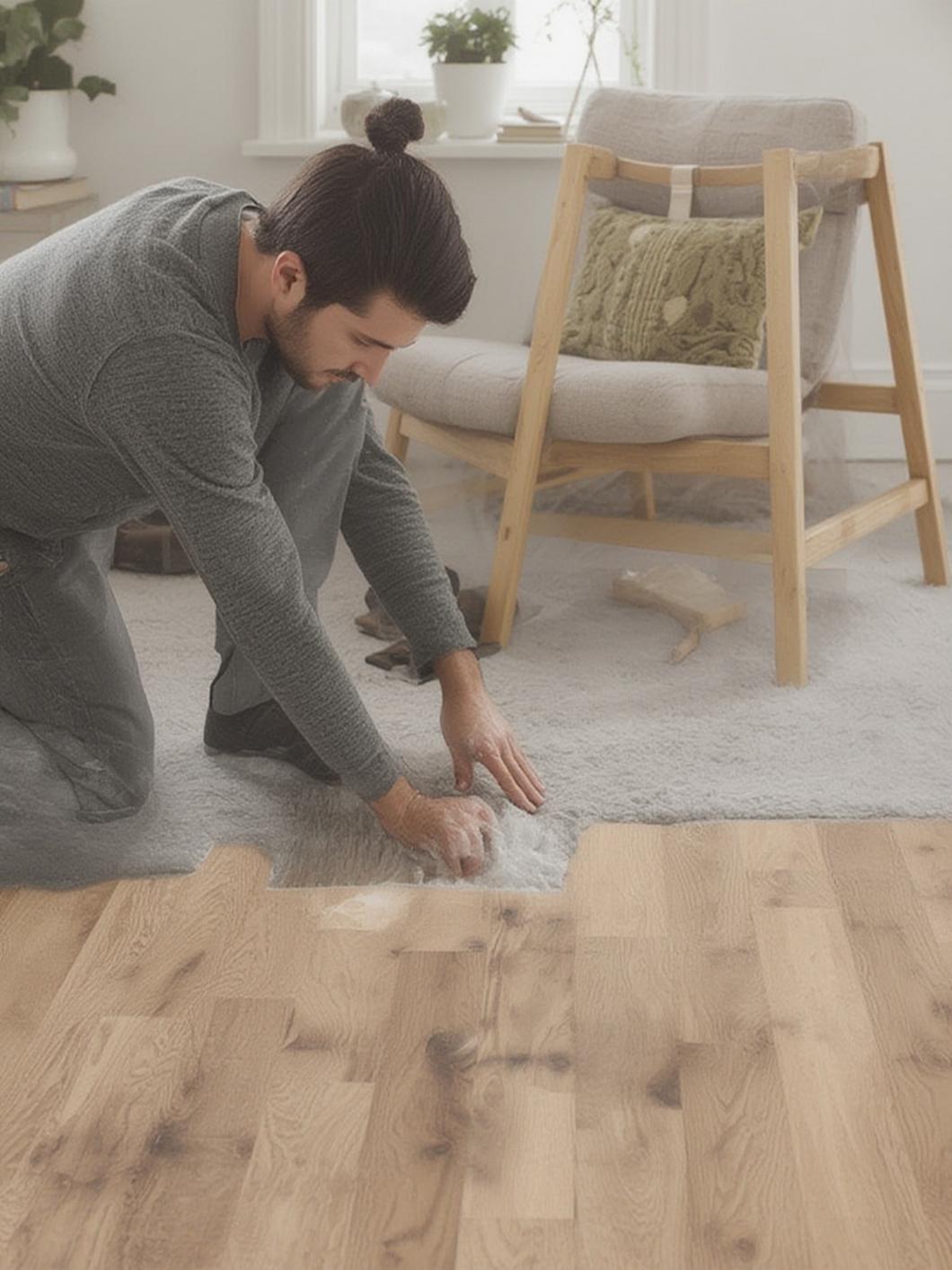
Unlike gardening, your “growing” schedule is about timing the project for optimal conditions and managing curing periods.
- Acclimation Period (48-72 Hours): This is non-negotiable. Store your DIY Spring Flooring boxes in the installation room. This allows the planks to adjust to the local humidity and temperature, preventing future warping or gapping. Spring’s moderate temperatures are ideal, avoiding the extreme dryness of winter or humidity of summer.
- Active Installation Time: DIY Spring FlooringA standard 12×15 ft. room can take 1-2 days for an experienced DIYer. Beginners should allocate a weekend. Complex patterns or multiple rooms will extend this.
- Curing/Setting Period: DIY Spring Flooring After installation, avoid moving furniture or heavy traffic for at least 24 hours. If you used adhesive, refer to the manufacturer’s specific cure time, which can be 48-72 hours for full hardness. Rushing this phase is a primary cause of damage.
- Expected Result Timeline: You will have a fully functional, beautiful floor immediately after the curing period. The full “settling” and return to room conditions happens over the first 2-3 weeks.
Step-by-Step Instructions
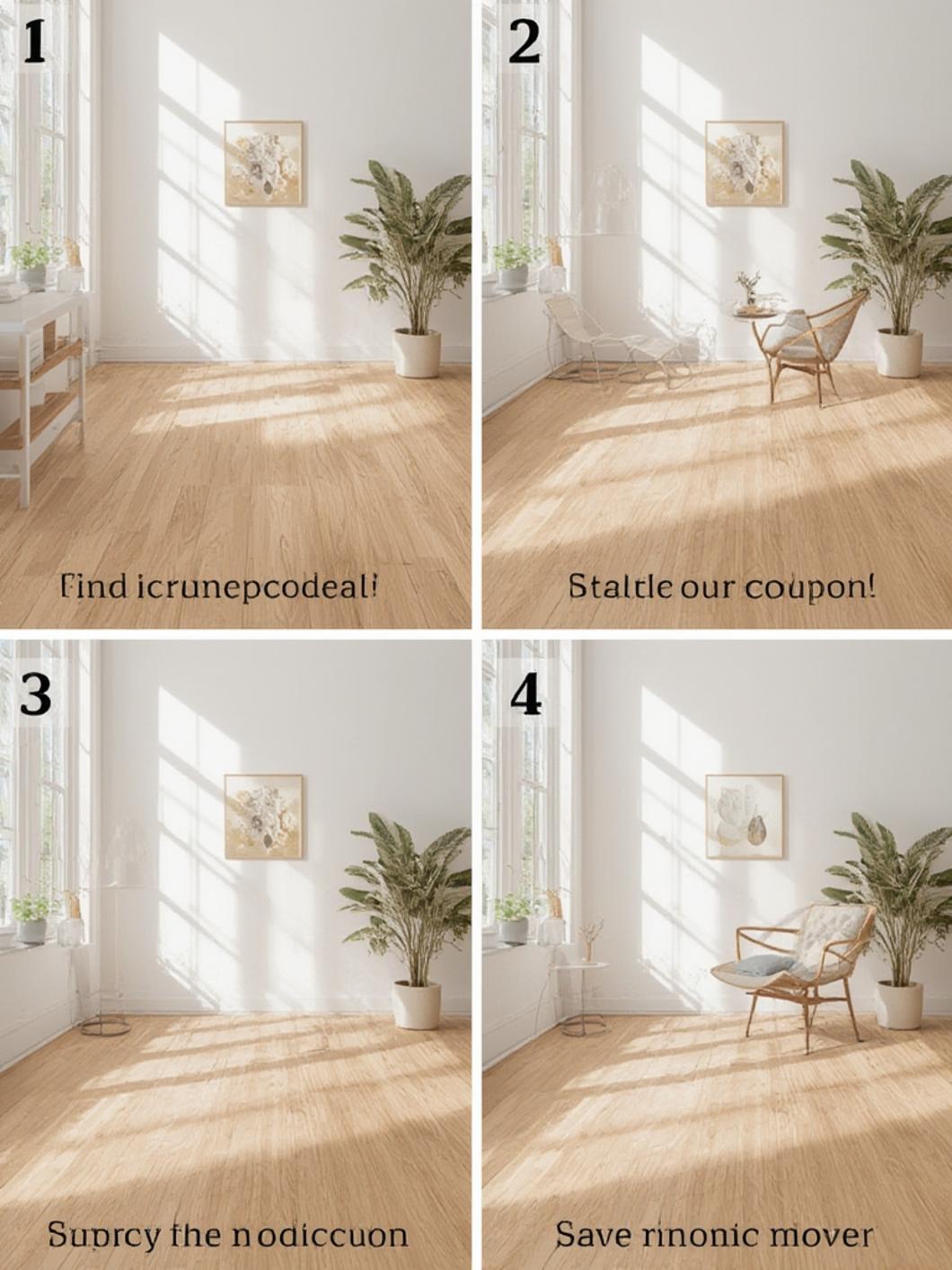
Follow these steps meticulously for a professional-grade finish.
1. Prepare the Subfloor: DIY Spring Flooring This is 80% of the battle. The subfloor must be clean, dry, level, and structurally sound. Sand high spots, fill cracks, and vacuum thoroughly. Use a moisture meter; readings must be within your flooring manufacturer’s specifications.
2. Lay Underlayment: Roll out the underlayment, tape seams, and trim to fit. This creates a cushion and moisture barrier.
3. Plan Your Layout: Decide on the direction of the planks (usually parallel to the longest wall). Snap a chalk line to ensure your first row is straight. Stagger end joints by at least 12 inches from row to row for a natural, stable look.
4. Install the First Row: Place spacers against the wall (for the expansion gap). Angle the tongue of the first plank into the groove of the next, tap gently with a rubber mallet and tapping block. Ensure the row is straight.
5. Continue Row by Row: For click-lock systems, angle the plank down, engage the long side, then tap the short side into place. Use a pull bar for the last plank in each row. Cut planks to length for the final row, remembering to maintain the wall spacer gap.
6. Fit Around Obstacles: Measure and cut planks to fit around vents, door jambs, and pipe flanges. A coping saw is perfect for these intricate cuts.
7. Install Transition Pieces: Attach transition strips at doorways to connect to other flooring types.
8. Final Touches: Remove all spacers. Install baseboards or quarter-round molding to cover the expansion gap. Reinstall any removed fixtures.
A successful spring flooring installation hinges on patience and precision during these steps.
—Nutritional Benefits / Advantages
While floors aren’t eaten, their “nutritional” benefits for your home’s health are profound. Modern spring flooring installation materials are designed with wellness in mind.
- Improved Indoor Air Quality: Choose products with low or zero VOC (Volatile Organic Compound) emissions. This reduces off-gassing of chemicals, creating a healthier environment, especially for those with allergies or asthma.
- Allergen Reduction: Unlike wall-to-wall carpet that traps dust, pollen, and pet dander, hard surface floors are easy to clean with a damp mop, significantly reducing allergen loads.
- Thermal Comfort: Certain materials like cork underlayment provide natural insulation, keeping rooms warmer in spring’s cool nights and cooler in summer.
- Durability & Hygiene: Stain-resistant surfaces prevent mold and bacteria growth, contributing to a cleaner, more sanitary living space.
Tips, Alternative Methods, or Gardening Advice
- For Small Spaces: Use wider planks to create an illusion of more space. A diagonal layout can also add dynamic visual interest.
- For Renters: Consider floating click-lock laminate or luxury vinyl. These can often be installed over many subfloors and removed later with minimal damage.
- Seasonal Climate Consideration: Spring’s stable humidity is perfect. If your area is particularly damp, ensure your subfloor is thoroughly dry and consider a vapor barrier.
- “Container Gardening” Equivalent: Try installing flooring in a single, high-impact room like the entryway or kitchen first. This “test area” builds confidence before tackling larger spaces.
- Organic/Non-Toxic Method: Prioritize flooring with certifications like GREENGUARD Gold or FloorScore. Use natural fiber underlayments and water-based adhesives.
Common Mistakes to Avoid

These pitfalls can turn your project into a costly redo.
1. Skipping Acclimation: The #1 sin. Unacclimated wood will expand/contract after installation, causing buckling or gaps.
2. Ignoring Subfloor Imperfections: A uneven subfloor telegraphs through to the top layer, leading to clicking noises, premature wear, and an uneven finish. Use a long straightedge to check.
3. Not Leaving Expansion Gaps: Floors need room to expand with humidity. Forgetting the 1/4″ to 1/2″ gap around the entire perimeter leads to dramatic buckling against walls.
4. Improper Cutting: Measuring incorrectly or using dull blades causes jagged edges and poor fits. Always measure twice, cut once, and use a sharp blade suitable for your material.
5. Rushing the Cure Time: Placing furniture too soon stresses the joints and adhesive, causing permanent damage.
Storage / Maintenance Tips
- Before Installation: Store boxes flat, off concrete, in a climate-controlled space. Keep them sealed until ready to acclimate.
- Routine Care: Sweep or vacuum (with a hard floor attachment) weekly. Damp mop with a manufacturer-approved cleaner. Avoid steam mops unless explicitly approved for your flooring.
- Protection: Use felt pads on furniture legs. Place mats at entryways to trap grit and moisture. Use protective glides on chair and table feet.
- Long-Term: Keep indoor humidity between 30-50%. Use a humidifier in dry winter months and a dehumidifier in damp summers to protect your investment.
Conclusion
Embarking on a DIY Spring Flooring project is an empowering journey that transforms your house into a personalized sanctuary. By respecting the process—from meticulous subfloor prep and patient acclimation to careful cutting and allowing proper cure times—you achieve results that rival professional installations, all while saving significant labor costs. The health and aesthetic benefits of a well-executed spring flooring installation will be felt for years. Ready to start? Assess your space, choose your materials, and commit to the details. Your dream floor is waiting to be built.
FAQs
Q: Can I install new flooring over old vinyl or carpet?
A: Generally no. Most hard surface flooring requires a stable, flat, and hard subfloor. Old vinyl must be removed. Carpet and padding must be entirely taken up. Check your specific product’s warranty requirements.
Q: What is the most forgiving DIY flooring for beginners?
A: Click-lock luxury vinyl plank (LVP) or laminate are the top choices. They require minimal tools, no adhesive, and their floating installation method is very tolerant of minor subfloor imperfections.
Q: How much flooring should I buy?
A: Calculate the room’s square footage (length x width). Add 10-15% for waste and pattern matching. Always round up to the next full box.
Q: My floor is creaking after installation. What’s wrong?
A: This is usually a subfloor issue (loose plywood, gaps over joists) that wasn’t fixed pre-installation. Secure the subfloor from below with screws if accessible, or use a squeak-reducing product between joists.
Q: What’s the best flooring for a spring renovation in a humid climate?
A: Rigid core luxury vinyl plank (LVP) or tile are excellent. They are 100% waterproof and dimensionally stable, making them impervious to humidity swings that can affect wood or laminate.