
Grow a Kitchen Herb Garden Using Your Sink: A DIY Hydroponic Guide
Ever wanted fresh, vibrant herbs at your fingertips but lack outdoor space, time, or a green thumb? What if you could repurpose plumbing components you might already have—or easily obtain—into a sleek, water-efficient indoor garden? This innovative approach transforms ordinary hardware into an extraordinary growing system. It’s perfect for urban dwellers, busy parents, or anyone craving pesticide-free greens year-round. By creatively using a Home Depot sink kit and a compatible sink plumbing kit, you can build a low-maintenance hydroponic garden that thrives on your countertop. Not only does this method save money on grocery bills, but it also gives you complete control over your food’s quality. Let’s unlock this surprisingly simple project and turn your kitchen into a year-round herb oasis.
Materials & Supplies
To build your countertop hydroponic herb garden, you’ll need the core components from a standard Home Depot sink kit, which typically includes a basin, a strainer, a tailpiece, and mounting hardware. You’ll also require specific items from a sink plumbing kit for the tubing and connectors to create a closed-loop water system.
Essential Hardware (from your kits):
- Sink basin or shallow tub (from the sink kit)
- Sink strainer and tailpiece (from the sink kit; will be modified)
- PVC or flexible plastic tubing (1/4″ or 1/2″ diameter, from the plumbing kit)
- Barbed connectors and T-joints (from the plumbing kit)
- Nuts, washers, and locknuts (from both kits)
- A drill with hole saw bits (for net pot holes)
- Waterproof sealant (silicone)
Growing Components: Home Depot sink kit
- Net pots (3-5, for seedlings)
- Clay pebbles or rockwool cubes (grow medium)
- Hydroponic nutrient solution ( concentrate)
- Herb seedlings or seeds (basil, mint, parsley, chives are ideal)
- Submersible, adjustable water pump (small, 100-200 GPH)
- Timer for the pump
Optional Alternatives: Home Depot sink kit Instead of a sink basin, a clean, food-grade plastic storage tub works. For a passive wick system (no pump), use a thicker, absorbent rope for tubing from the plumbing kit. You can substitute net pots with small plastic cups with drilled holes.
Timing / Growing Schedule
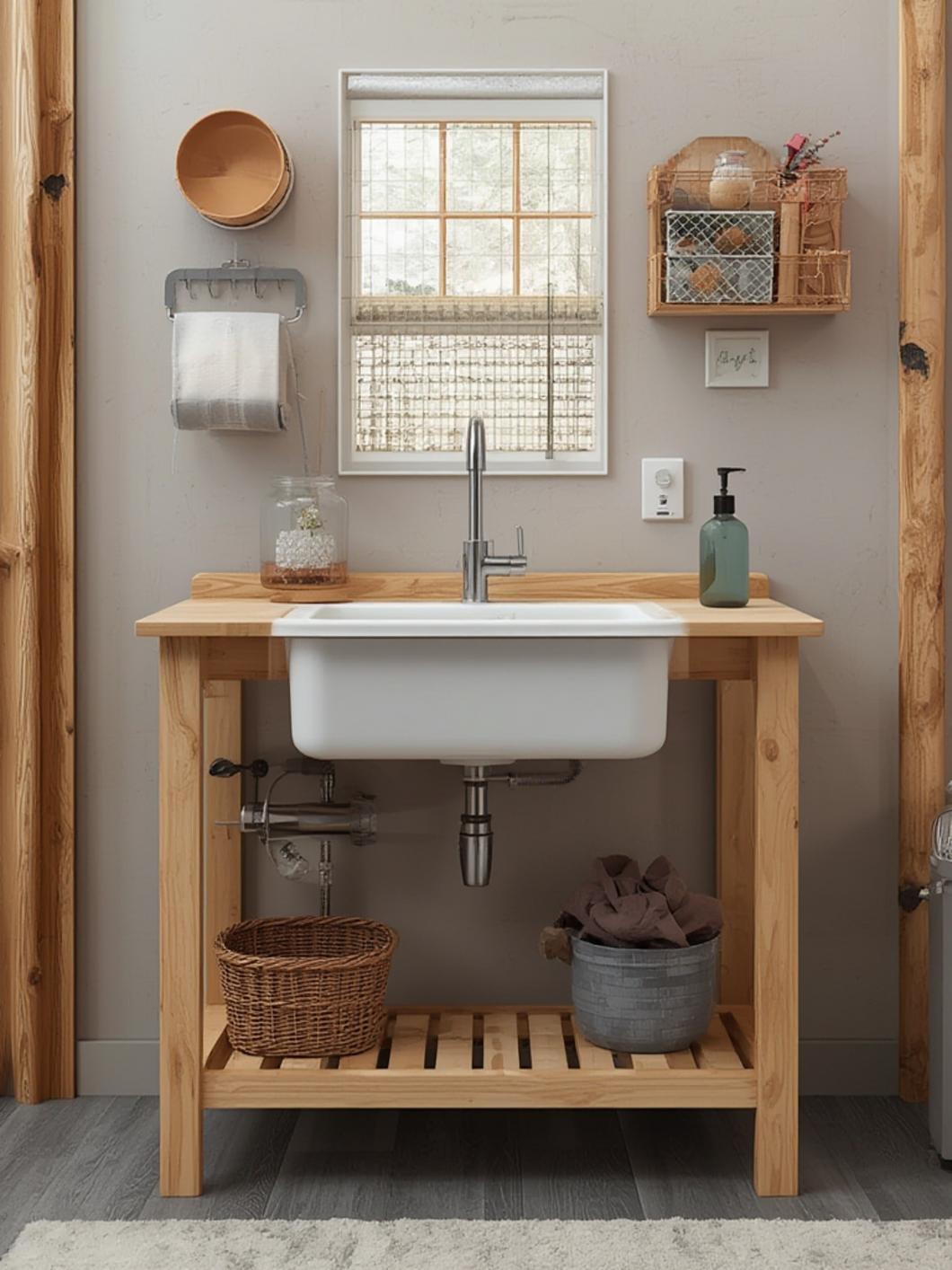
Home Depot sink kit This is a weekend project. Allow 2-3 hours for unboxing, planning, assembly, and planting. The active growing period begins immediately. You’ll see visible root development and sprouting within 1-2 weeks. For a robust, harvest-ready batch of herbs like basil or mint, expect 4-6 weeks. Unlike traditional soil gardening, this hydroponic system powered by your modified sink kit provides optimal nutrients and water directly to roots, accelerating growth by up to 50% compared to potted herbs on a windowsill. Harvesting can begin as soon as plants have 6-8 true leaves, providing a continuous yield for 3-6 months before a nutrient solution refresh is needed.
Step-by-Step Instructions
1. Sanitize & Modify: Thoroughly clean all components from the Home Depot sink kit and sink plumbing kit with soapy water. Using a hole saw, drill 2-3 evenly spaced holes in the bottom of the sink basin to snugly fit the tops of your net pots.
2. Assemble the Plumbing Loop: Connect the tubing from the sink plumbing kit to the outlet of your submersible pump. Run the tubing to the top of your basin and use a T-connector to create a main feed line that runs horizontally over the net pot holes. Attach small drip emitters or simply puncture tiny holes in the tubing directly above each net pot.
3. Build the Stand & System: Home Depot sink kit Place the pump in a separate, small reservoir (or use a lower chamber if your sink kit basin is deep enough). Use the tailpiece and strainer hardware creatively to fashion a support stand for your basin if desired. Ensure all connections from the sink plumbing kit are hand-tightened and sealed with silicone to prevent leaks.
4. Plant & Initiate: Fill net pots with clay pebbles, insert a seedling or germinated seed into each, and place them in the basin holes. Mix hydroponic nutrients with water in your reservoir according to package directions. Set the pump timer to run 15 minutes every 2 hours (for seedlings) or 30 minutes on/off cycles (for mature plants).
5. Monitor & Adjust: Home Depot sink kit Check daily that the nutrient solution covers the bottom 1-2 inches of the net pots. Watch for vigorous root growth within the first month.
Pro Tip: Use the shiny metal finish of the Home Depot sink kit’s basin to reflect light onto lower leaves if placed under a grow light, enhancing efficiency.
Nutritional Benefits & Advantages
Home Depot sink kit Herbs grown hydroponically in this system are nutritional powerhouses. They develop more concentrated levels of essential vitamins (A, C, K) and antioxidants due to the perfectly balanced mineral uptake from the nutrient solution. You eliminate exposure to soil-borne pathogens and pesticides. Environmentally, this setup uses up to 90% less water than soil gardening because the closed-loop system, plumbed with your sink plumbing kit, recirculates water. There’s no soil erosion, reduced food miles, and minimal plastic waste from store-bought herb packaging.
Tips, Alternative Methods, or Gardening Advice
- For Small Spaces: Home Depot sink kit This entire system fits on a 24″ wide countertop. Use a narrow sink basin and stack net pots vertically with a staggered drip pattern.
- Climate Control: This is an indoor gardening method. Place near a sunny south-facing window or, more reliably, use an affordable LED grow light on a 14-hour timer.
- Organic Approach: Use certified organic hydroponic nutrients and coconut coir instead of clay pebbles. The key is the water-based delivery, which the plumbing from your sink plumbing kit facilitates perfectly.
- Seasonal Extension: Grow delicate herbs like cilantro and dill in the winter without fail.
Common Mistakes to Avoid

1. Overlooking Air Gaps: Home Depot sink kit Ensure the nutrient solution level is just touching the bottom of the net pots. Constant saturation causes root rot; too dry stunts growth. Solution: Use the basin’s depth (a feature of your sink kit) to your advantage by marking the ideal fill line.
2. Ignoring pH & EC: Unbalanced nutrients lock out minerals. Solution: Purchase a cheap pH pen and adjust to 5.5-6.5. The clear tubing from your sink plumbing kit makes visual monitoring easy.
3. Poor Light Management: Weak, leggy growth indicates insufficient light. Solution: Place your system where it receives at least 6 hours of direct sun or 12-16 hours of artificial light.
4. Under-Gearing the Pump: A pump too weak won’t circulate water effectively. Solution: Match the pump’s GPH rating to your system’s volume (a 100 GPH pump is sufficient for a 5-gallon basin).
5. Skipping Sanitization: Algae and pathogens love stagnant water. Solution: Cover the reservoir with opaque material and clean the entire system with a 10% bleach solution monthly.
Storage / Maintenance Tips
Home Depot sink kit During a summer vacation or winter, you can store the system partially assembled. Drain all water, disassemble the sink plumbing kit’s tubing connections, and thoroughly dry all parts to prevent mineral buildup and mold. Store in a cool, dry garage or closet. For weekly care, check for clogs in the drip emitters, top off the reservoir with fresh nutrient water, and prune herbs to encourage bushy growth. Annually, replace the silicone seals and inspect tubing from your sink plumbing kit for cracks.
Conclusion
Building a hydroponic herb garden with a Home Depot sink kit and a sink plumbing kit is a masterclass in creative reuse. It delivers fresh, nutrient-dense greens with minimal waste, water, and effort. The durable components from your sink plumbing kit provide a leak-proof foundation for a system that can last for years. This project pays for itself in grocery savings and culinary joy within a single growing season. Don’t let another basil purchase go to waste—harness the potential of your hardware and start growing today.
—
FAQs
Q1: Can I use this system for vegetables like lettuce or cherry tomatoes?
A: Absolutely! Leafy greens and small-fruited plants (like peppers or determinate tomatoes) excel. Ensure larger plants have adequate support and a deeper basin (from a larger sink kit).
Q2: My water is developing green algae. Is this harmful?
A: Algae is unsightly but not harmful to plants. Prevent it by completely covering your reservoir to block light. Use the opaque side of a sink basin if possible, or cover with a dark cloth.
Q3: I don’t have a drill. Can I still do this?
A: Yes! You can use a hot nail to melt holes in a plastic sink basin, or simply place net pots into the basin’s existing drain holes (if size-appropriate) for a very simple “deep water culture” setup.
Q4: How often should I change the nutrient solution?
A: Home Depot sink kit For a small countertop system, completely change the solution and rinse the basin every 2-3 weeks to prevent salt buildup. Top off with fresh water between changes.
Q5: Is this truly beginner-friendly?
A: Yes! The modular nature of the Home Depot sink kit and sink plumbing kit means you’re working with pre-fabricated, compatible parts. Follow the steps, monitor water levels, and you’re almost guaranteed success. Start with basil or mint—they’re virtually foolproof.