
Your Backyard Sanctuary Awaits: Is a Fire Pit the Missing Piece?
Safely Install a Backyard Fire Pit There’s something magical about gathering around a crackling fire under a canopy of stars. The warmth, the ambiance, the simple joy of toasting marshmallows with loved ones—it’s the quintessential backyard experience. But before you buy that sleek new fire bowl or plan your first soirée, a fundamental question arises: how do you create this inviting feature without compromising safety? The answer lies not just in the product you choose, but in the meticulous, careful process of installation. Mastering fire pit installation safety is the non-negotiable first step to transforming your patio from a simple space into a secure, lasting haven. This guide will walk you through the essential, data-backed steps to ensure your cozy investment brings only warmth and worry-free memories for years to come.
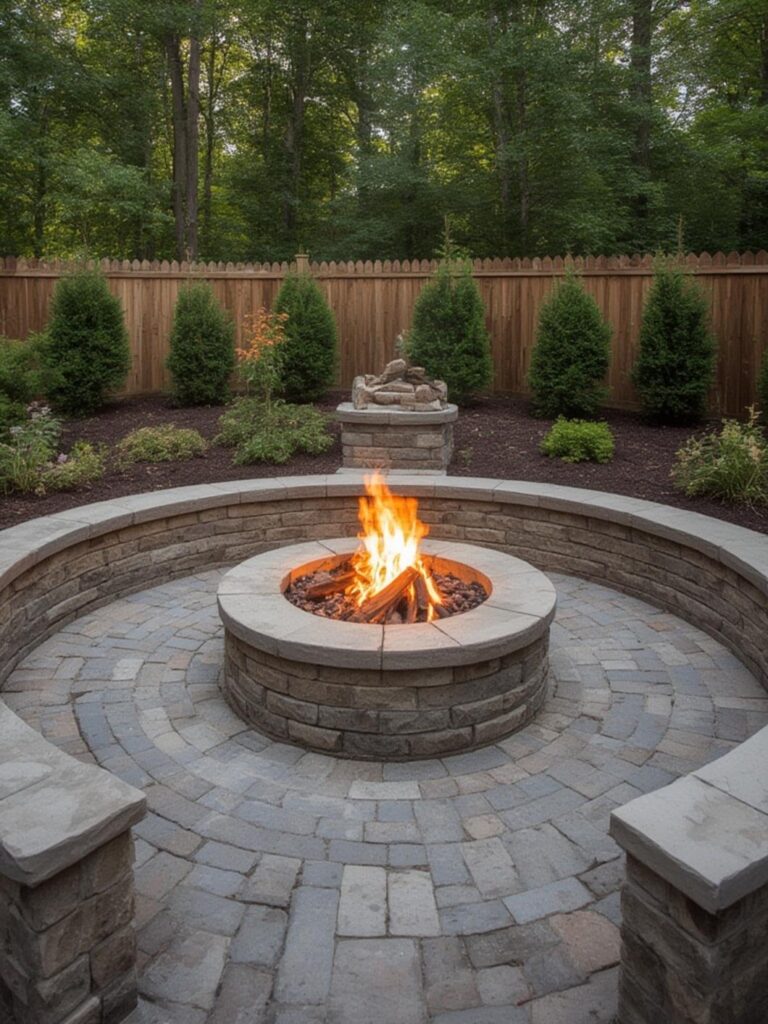
Materials & Supplies Safely Install a Backyard Fire Pit
A successful build starts with the right components. Think of this as your project’s foundation.
- Fire Pit Itself: Options include pre-fabricated metal bowls, stone/brick kits, or a custom masonry build.
- Base Material: Crushed stone (e.g., pea gravel) for drainage, and concrete pavers or a firebrick ring for the pit’s interior perimeter. Safely Install a Backyard Fire Pit
- Tools: Shovel, level, tamper, rubber mallet, tape measure, wheelbarrow, masonry saw (if cutting stone), and a garden hose.
- Safety Gear: Heat-resistant gloves, safety glasses, and a dust mask.
- Optional but Recommended: A spark screen or mesh cover, a fire blanket, and a Class A fire extinguisher.
- Alternative Note: For those with patios or decks, consider a portable, tabletop fire pit using propane or gel fuel, which eliminates the permanent installation step but requires extreme caution on non-combustible surfaces only. Safely Install a Backyard Fire Pit
Timing / Growing Schedule
This isn’t about plants, but about project phases and long-term results.
- Prep Time (1-2 Days): This includes site selection, clearance of vegetation, ground preparation, and layout. Quality prep is 80% of the safety battle. Safely Install a Backyard Fire Pit
- Growth Period (1 Day): The physical assembly and installation of the pit and base.
- Expected Results / Maturity: Once installed and cured (if using mortar), your fire pit is instantly functional. The true “growth” is in its durability and safe performance over seasons. A properly installed pit, with correct clearance from structures (typically 10-25 feet, per local code) and a stable, non-combustible base, will provide a secure, enjoyable focal point for 5-10+ years with minimal maintenance, far outlasting a poorly installed one that risks damage or hazard. Safely Install a Backyard Fire Pit
Step-by-Step Instructions
Follow these critical steps to embed safety into every phase of your build.
1. Check Codes & Permits: Before digging, contact your local fire marshal or building department. Regulations dictate placement (distance from property lines, structures), height, and sometimes require a permit. This is the most crucial, non-negotiable step for fire pit installation safety.
2. Site Selection & Clearance: Choose a flat, open area away from overhanging trees, low-hanging branches, wooden fences, and your home. Clear all grass, roots, and organic material in a 3-5 foot radius around the pit’s perimeter. Safely Install a Backyard Fire Pit
3. Build a Solid, Non-Combustible Base: Excavate the area to a depth of 4-6 inches. Fill with crushed stone, compact thoroughly with a tamper, and level. This prevents settling and stops heat from transferring to the ground.
4. Construct the Pit Walls: Assemble your kit or build your masonry walls on the prepared base. Use a level constantly. For stone/brick, create a firebrick interior ring (rated for direct flame) and an exterior decorative layer with a 1-2 inch air gap between them if possible.
5. Final Safety Integration: Install a spark screen immediately. Mark a clear perimeter around the pit with stones or pavers to designate a safe standing zone. Keep a fire extinguisher and shovel (for smothering) mounted nearby on a post. Safely Install a Backyard Fire Pit
Nutritional Benefits / Advantages
Why is this painstaking process so valuable? The advantages are profound.
- Uncompromised Safety: The primary benefit is the dramatic reduction in risk for uncontrolled fires, heat damage to decks/patios, and personal injury.
- Property Protection: A proper non-combustible base and clearance protect your decking, siding, and landscaping from radiant heat and flying embers. Safely Install a Backyard Fire Pit
- Enhanced Longevity: A stable, level pit won’t crack or settle awkwardly, ensuring it remains functional and attractive for decades.
- Peace of Mind: This is the true “benefit.” You can relax and enjoy the fire fully, without the nagging worry of “what if?” Safely Install a Backyard Fire Pit
Tips, Alternative Methods, or Gardening Advice
- For Small Spaces: Opt for a compact, elevated fire bowl on a dedicated stone pad. Ensure your small-yard clearance still meets code.
Alternative Fuel: Consider a natural gas or propane fire pit. They offer easier ignition and control, often have smaller clearance requirements, and produce fewer sparks and ash. Always* hire a licensed pro for gas line installation. Safely Install a Backyard Fire Pit
The “Container Garden” Approach: If you rent or want flexibility, build a fire pit inside* a large, heavy-duty metal or stone container that sits on a prepared gravel bed. This creates a contained unit you could potentially move (with immense difficulty).
Common Mistakes to Avoid
1. Skipping the Code Check: The #1 error. Fines and forced removal are the best-case scenarios; fire is the worst.
2. Inadequate Base Prep: Building directly on soil or grass leads to settling, tipping, and heat conduction.
3. Ignoring Clearance: “Just a little closer” is a major risk. Measure twice, install once, with the mandated space.
4. Using the Wrong Materials: Never use pressure-treated wood directly in the structure, and avoid regular bricks for the interior (they can explode when heated). Use firebricks rated for high heat.
5. No Extinguishing Plan: Always have water, sand, or a fire extinguisher within arm’s reach before you light the first match. Safely Install a Backyard Fire Pit
Storage / Maintenance Tips
- Seasonal Care: At season’s end, remove ash completely (store in a metal container). Cover the pit with a weather-resistant, snug-fitting cover.
- Routine Inspection: Before each use, check for cracks in masonry, rust on metal parts, and ensure the screen is intact and clean.
- Cleaning: Use a soft brush to clean debris. For stubborn soot on stone, a mild醋 solution ( diluted vinegar) can work—rinse thoroughly.
- Parts Management: Keep extra spark screens and any removable components in a dry garage or shed to prolong their life. Safely Install a Backyard Fire Pit
Conclusion
Installing a backyard fire pit is about more than aesthetics; it’s a deliberate commitment to creating a secure environment for relaxation and connection. By prioritizing fire pit installation safety through diligent preparation, adherence to codes, and correct construction, you invest in endless evenings of secure enjoyment. The steps outlined here form a blueprint for success, turning a simple purchase into a permanent, cherished feature of your home. Take that final, confident step: implement these fire pit installation safety protocols today, and light your first fire with the supreme confidence that comes from a job well and safely done. Safely Install a Backyard Fire Pit
FAQs
Q1: Can I install a fire pit on my wooden deck?
A: Generally, no. Wood decks are a major fire hazard. If absolutely necessary, it must be a certified, elevated, propane-powered fire pit with a large, non-combustible pad (like concrete pavers) extending several feet in all directions, and constant supervision. Check local codes—many prohibit it entirely.
Q2: What is the minimum safe distance from my house?
A: This is strictly code-dependent but a common standard is a minimum of 10 feet from any structure, fence, or property line. Many recommend 20-25 feet for wood-burning pits due to flying embers. Always verify with your local fire department first.
Q3: Do I need a fire extinguisher if I have a hose nearby?
A: Yes. A hose can be slow to pressurize and may be out of reach if a fire starts. A Class A or multi-purpose fire extinguisher (rated for wood/paper fires) is the fastest, most effective first response tool and is strongly recommended.
Q4: What’s the best fuel for safety and ease?
A: Propane offers the easiest control and cleanest burn (minimal ash/sparks). Natural gas is convenient if plumbed. Wood provides classic ambiance but produces the most flying embers and requires more ash cleanup, demanding the highest level of clearance and screening.
Q5: My fire pit is wobbling. Is it dangerous?
A: Yes. An unlevel or unstable pit can tip, spill embers, and is structurally unsafe. You must disassemble and rebuild on a properly prepared, compacted, and level base. Do not use it until it is perfectly stable.