
Your Complete Guide to a Thriving Spring Garden: From Cleanup to Harvest
Prepare Your Spring Garden Spring is just around the corner, and with it comes the exciting promise of blooming flowers and fresh vegetables. But before you can enjoy that first crisp carrot or vibrant sunflower, your garden needs a little TLC. spring garden cleanup is the critical first step that sets the tone for your entire growing season. By taking proactive measures now, you prevent pests and diseases, improve soil health, and create a clean slate for new life. This comprehensive guide will walk you through every stage, helping you Prepare Your Spring Garden for maximum beauty and yield. Let’s dive in and transform that dormant patch of earth into a productive, thriving oasis.
Materials & Supplies
To execute a flawless spring preparation, gather these essentials: Prepare Your Spring Garden
- Essential Tools: Sharp pruners, a sturdy garden fork or broadfork, a spade, a steel rake, a hoe, gardening gloves, and a wheelbarrow or garden cart.
- Soil Amendments: High-quality compost, well-rotted manure, and specific organic fertilizers based on your soil test (e.g., bone meal for phosphorus, greensand for potassium).
- Weed & Pest Control: Gardner’s weed burner (optional), organic pre-emergent herbicide (corn gluten meal), or simply layers of cardboard and mulch for suppression.
- Mulch: Shredded bark, straw, or leaf mold.
- Optional but Helpful: A soil pH testing kit, a drip irrigation system or soaker hoses, and plant supports (tomato cages, trellises).
Pro Tip: Check for gently used tools at community swaps or borrow from neighbors to save costs. For soil amendments, consider sourcing local compost or manure to reduce your environmental footprint and support regional businesses.
Timing / Growing Schedule
Spring prep isn’t a single weekend task but a phased process:
- Prep Time (Late Winter/Early Spring): Focus on spring garden cleanup as soon as the soil is workable (not soggy). This typically means 4-6 weeks before your last expected frost date.
- Growth Period (Mid-Spring to Summer): This is when you sow cool-season crops (peas, lettuce) directly after cleanup. Warm-season crops (tomatoes, peppers) go in after the last frost. Seedlings started indoors will be transplanted during this window.
- Expected Results: A well-prepared garden can yield harvests 2-3 weeks earlier than a neglected plot. Compare the lush, vigorous growth of amended soil to the stunted, weed-choked plants in an untreated bed—the difference is night and day. Prepare Your Spring Garden properly, and you’re investing in a 5-6 month productive season.
Step-by-Step Instructions
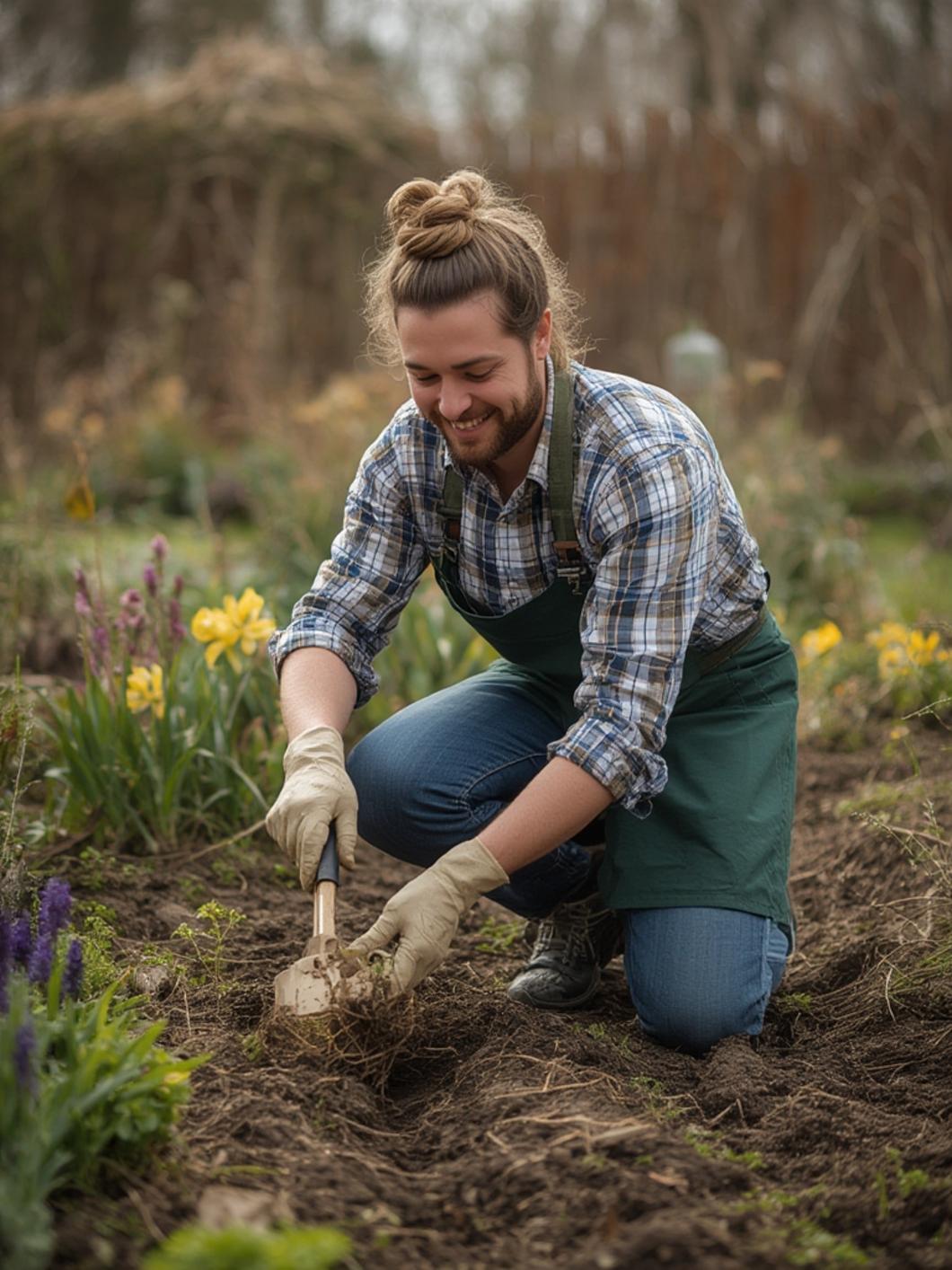
1. Clear the Stage: Remove all dead annual vegetation, fallen leaves, and old mulch. This is the core of spring garden cleanup. Compost only disease-free plant material. Prepare Your Spring Garden
2. Weed Strategically: Pull perennial weeds by the root. For large areas, smother weeds with layers of wet cardboard, then cover with compost and mulch.
3. Assess & Amend Soil: Once beds are clear, test your soil’s pH and nutrient levels. Based on results, work in compost and necessary amendments to a depth of 6-8 inches. This step is foundational to Prepare Your Spring Garden for strong root development.
4. Revitalize Beds: Shape your beds, edges, and paths. Rake the surface smooth to prepare for seeding or transplanting.
5. Plan & Plant: Layout your crop rotation plan. Sow cool-season seeds directly. Transplant hardened-off seedlings. Install supports for climbing plants at this stage.
Key Tip: Never walk on your prepared beds. Use boards or designated paths to prevent soil compaction.
Nutritional Benefits / Advantages
A home-prepared spring garden offers unparalleled advantages:
- Superior Nutrition: Homegrown produce, picked at peak ripeness, contains higher levels of vitamins, antioxidants, and minerals than store-bought items often shipped days away.
- Mental & Physical Health: Gardening is moderate exercise that reduces stress and connects you with nature. The act of nurturing plants boosts mood and provides a sense of accomplishment.
- Environmental Impact: Your garden becomes a mini-ecosystem, supporting pollinators and beneficial insects. Componing kitchen scraps and yard waste reduces landfill burden and creates free fertilizer. Prepare Your Spring Garden
Tips, Alternative Methods, or Gardening Advice
- Small Spaces/Containers: Use large pots or grow bags with high-quality potting mix. Focus on high-yield crops like cherry tomatoes, peppers, and bush beans. Prepare Your Spring Garden
- Raised Beds: Ideal for poor native soil, back issues, or quick soil warming. Fill with a 50/50 mix of topsoil and compost.
- Indoor Starting: Extend your season by starting seeds indoors under grow lights 4-8 weeks before the last frost.
- Organic Only: Skip synthetic chemicals. Use neem oil for pests, hand-pick pests, and encourage ladybugs and lacewings.
- Climate & Season Adjustments: In colder zones (Zone 3-5), use cold frames or row covers to protect early plants. In warmer zones (Zone 8+), spring garden cleanup might focus more on removing winter-weedy grasses and planting for a summer harvest.
Common Mistakes to Avoid

1. Working Soil When Too Wet: This destroys soil structure, creating hard clods. Squeeze a handful of soil—if it forms a ball that breaks apart with a poke, it’s ready. If it’s a soggy ball, wait.
2. Skipping the Soil Test: Guessing at pH and nutrients leads to poor plant growth and wasted fertilizer. A $10 test kit is the best gardening investment.
3. Over-Tilling: Excessive tilling harms soil microbes and promotes weed seeds. Use a broadfork to aerate or simply top-dress with compost.
4. Planting Too Early: Resist the urge! Use frost dates as a guide. Protect young plants with cloches or row covers if a late frost threatens.
5. Ignoring Spacing Guidelines: Overcrowding leads to disease and poor yields. Always follow seed packet spacing recommendations.
Storage / Maintenance Tips
- Tool Care: Clean, sharpen, and oil all tools before storage. Store in a dry shed to prevent rust. Hang them for easy access.
- Compost Management: Turn your compost piles weekly during active growing season to speed decomposition. Keep it moist but not soggy.
- Ongoing Care: After planting, maintain a 2-3 inch layer of organic mulch to retain moisture and suppress weeds. Water deeply and less frequently to encourage deep root growth. Schedule regular, short weeding sessions (10-15 minutes) to stay ahead.
Conclusion
Successfully managing your spring garden cleanup is the non-negotiable foundation for a spectacular gardening year. It’s the deliberate act of clearing debris, nurturing the soil, and creating an optimal environment that allows you to truly Prepare Your Spring Garden for success. Remember, a clean, amended, and thoughtfully planned garden rewards you with healthier plants, fewer problems, and a more abundant harvest. Start now—this season’s bounty depends on the work you do today.
> Ready to get started? For all your soil amendments, seeds, tools, and raised bed kits, explore the latest Prepare Your Spring Garden deals and save on essential supplies!
FAQs
1. When exactly should I start my spring garden cleanup?
Begin as soon as the ground is thawed and dry enough to walk on without sinking. This is typically when daytime temperatures consistently reach 50°F (10°C) and soil crumbles in your hand.
2. Do I really need a soil test?
Absolutely. It’s the only way to know your soil’s pH and nutrient balance. Most plants thrive in a specific pH range, and adding amendments blindly can lock out nutrients or create toxicity.
3. Can I do a spring garden cleanup on a budget?
Yes! Use free compost from municipal programs, swap seeds with friends, make your own compost, and focus on high-return, low-cost crops like beans, lettuce, and zucchini. The key is amending soil with organic matter, which can often be sourced for free or cheap.
4. What’s the single most important thing for pest prevention in spring?
A thorough spring garden cleanup! Removing all old plant debris and weeds eliminates overwintering sites for pest eggs and disease spores, drastically reducing your initial pest pressure.
5. My yard is uneven/on a slope. Any special tips?
Yes. Build raised beds or contour beds on the slope with the level of the path, not the slope. Use terracing and ground covers to prevent erosion. Focus on deep-rooted perennials and avoid walking on the slope to prevent compaction.