
Transform Your Entrance: A Data-Backed Guide to Stunning Spring Curb Appeal
Ever pulled up to a home and felt instantly soothed by its welcoming façade? That moment isn’t magic—it’s the power of intentional Spring Curb Appeal. In a competitive housing market, a well-manicured front yard can boost perceived home value by up to 7% and drastically improve your daily mood. Whether you’re preparing to sell or simply want to love coming home, focusing on strategic Spring flower bed ideas is your fastest route to transformation. This guide cuts through the guesswork, providing a clear, actionable blueprint to create a professionally designed look that neighbors will envy. We’ll leverage seasonal timing, smart plant choices, and maintenance hacks to ensure your efforts yield maximum impact with minimal stress.
Materials & Supplies
To execute a pro-level spring refresh, gather these essentials. Tools: Shovel, garden fork, rake, hoe, watering can or hose with spray nozzle, pruning shears, wheelbarrow (optional), gardening gloves, and a kneeling pad. Materials: High-quality potting soil or garden soil (amend as needed), organic mulch (shredded bark or pine straw), slow-release fertilizer, landscape edging (plastic, metal, or stone), and your selected plants. Plants: Choose a mix of early, mid, and late-spring bloomers for longevity (e.g., pansies, tulips, daffodils for early; salvia, nepeta for mid; petunias, marigolds for late). Include structural foliage like ornamental grasses or evergreen shrubs for year-round form Spring Curb Appeal.
Optional Alternatives: For small spaces, swap in large decorative containers. If soil quality is poor, consider raised bed kits or “soil-less” mixes for containers. For a purely organic approach, use compost instead of synthetic fertilizer and coconut coir instead of peat-based mixes. Always check plant tags for your specific USDA hardiness zone for best results Spring Curb Appeal.
Timing / Growing Schedule
Spring Curb Appeal Success hinges on aligning with nature’s calendar. Prep Time: Allocate 1-2 weekends. The first is for site assessment, soil amendment, and layout. The second is for planting and final mulching. Growth Period: Early-blooming bulbs planted in fall will emerge first. Spring-planted annuals and perennials typically show significant growth within 2-4 weeks, with peak bloom occurring 6-8 weeks after planting, depending on the species. Expected Results: By late April to May, your beds should be lush and vibrant. Compare this to a DIY paint job: the initial investment of time yields weeks of visual payoff, whereas a fresh coat of paint offers a static, one-time change. A planted bed grows more beautiful and full each week, offering dynamic, evolving curb appeal.
Step-by-Step Instructions
1. Assess & Plan: Observe sun patterns (6+ hours is “full sun,” 3-6 is “part sun,” less than 3 is “shade”). Sketch a simple layout. Use Spring flower bed ideas that match your home’s architecture—curved beds soften a modern line, while straight, formal beds complement traditional styles. Incorporate a focal point, like a shrub or container, near the entrance.
2. Prepare the Site: Clear weeds and grass. Dig to a depth of 12 inches, removing rocks and roots. Amend soil: mix in 3-4 inches of compost and, if needed, a balanced fertilizer. For poor drainage, consider a raised bed. This soil prep is the #1 factor for plant health.
3. Select & Arrange Plants: Place plants in their pots atop the prepared bed to visualize spacing. Follow tags for mature width—overcrowding is the most common beginner error. Use the “thriller, filler, spiller” rule: a tall plant (thriller), rounded plants (fillers), and trailing plants (spillers) for containers or bed edges Spring Curb Appeal.
4. Plant with Care: Gently remove plants from pots, loosen root balls if pot-bound. Dig holes twice as wide but no deeper than the root ball. Place the plant so the crown (stem base) is level with the soil. Backfill gently, tamping to remove air pockets. Water deeply immediately after planting Spring Curb Appeal.
5. Mulch & Initial Water: Apply 2-3 inches of mulch, keeping it a few inches from plant stems to prevent rot. Mulch conserves moisture, suppresses weeds, and looks tidy. Water thoroughly, providing about 1 inch of water total. Subsequent watering should be deep and less frequent to encourage deep roots.
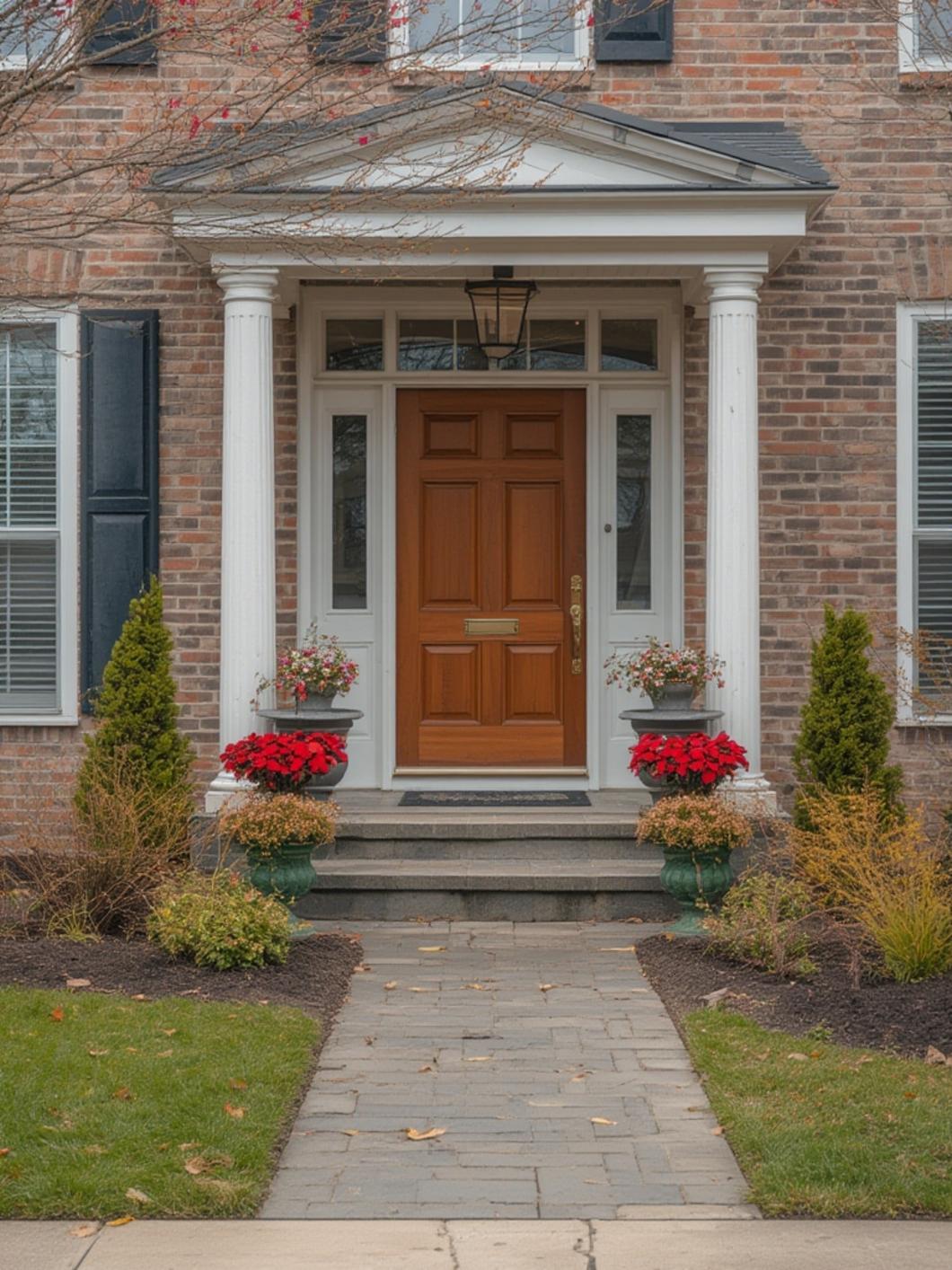
Pro Tip: Group plants with similar water needs together (hydrozoning). This simple step reduces care time and prevents stress. For instant Spring Curb Appeal, add seasonal accents like a new mailbox, fresh paint on the front door, or symmetrical planters flanking the entrance .
Nutritional Benefits / Advantages
Spring Curb Appeal Beyond aesthetics, your garden is a powerhouse of benefits. Environmental: Plants filter air pollutants, reduce stormwater runoff, and provide critical habitat for pollinators like bees and butterflies—essential for ecosystem health. A single maple tree can absorb over 48 pounds of CO2 annually. Health & Wellness: Gardening is moderate-intensity exercise, burning up to 300 calories per hour. It dramatically reduces stress and cortisol levels, with studies showing it can be as effective as medication for mild depression. The act of nurturing life fosters mindfulness and a connection to nature, directly combating digital fatigue. Moreover, growing your own herbs or vegetables (even in a small bed) adds fresh, nutrient-dense food to your table, promoting healthier eating habits.
Tips, Alternative Methods, or Gardening Advice
– Small Spaces: maximize vertical space with trellises for climbers like sweet peas or pole beans. Use window boxes and railing planters. A meticulously designed small bed can have more impact than a sprawling, messy one Spring Curb Appeal.
– Raised Beds: Ideal for compacted soil, poor drainage, or for gardeners with mobility challenges. They warm faster in spring, extending your planting season.
– Indoor Starting: Get a jumpstart by seeding annuals indoors 4-6 weeks before your last frost date. Use grow lights to prevent leggy seedlings.
– Organic Focus: Build soil health with compost and worm castings. Use neem oil or insecticidal soap for pest control. Companion planting (e.g., marigolds with vegetables) can naturally deter pests.
– Climate Adaptation: Spring Curb Appeal In hotter zones (7+), prioritize heat-tolerant plants like lantana and succulents. In cooler zones (3-5), focus on cold-hardy pansies, kale, and evergreens for structure. Always check first/last frost dates.
Common Mistakes to Avoid
1. Ignoring Soil Health: Spring Curb Appeal Planting in native, compacted clay or sandy soil without amendment is the #1 reason for failure. Solution: Always amend with 3-4 inches of organic matter.
2. Overcrowding Plants: Plants need room for air circulation to prevent disease and for root growth. Solution: Read plant tags for mature width and space accordingly. You can always fill gaps with annuals the first year.
3. Wrong Plant, Wrong Place: Putting a shade plant in full sun (it will scorch) or a drought-tolerant plant in a boggy site (it will rot). Solution: “Right plant, right place” is the golden rule. Match your sun/soil assessment to plant needs.
4. Inconsistent Watering: Light, daily sprinklings promote shallow roots. Solution: Water deeply 1-2 times per week, providing about 1 inch of water total. Use a rain gauge.
5. Forgetting Mulch: Mulch is not optional; it’s critical for moisture retention and weed suppression. Solution: Apply 2-3 inches after plants are established.
Storage / Maintenance Tips
Tool Care: Spring Curb Appeal Clean and sharpen tools after use. Store in a dry shed or garage to prevent rust. A bucket of sand with a little motor oil keeps shovels pristine.
Seasonal Maintenance: Deadhead spent flowers (remove old blooms) to encourage reblooming. Edge beds with a sharp spade 2-3 times per season for a crisp line. In late fall, cut back perennials, remove annuals, and apply a layer of compost or shredded leaves as protective winter mulch.
Plant Care: Divide overcrowded perennials like hostas or daylilies in early spring or fall. Keep a simple garden journal noting what worked, what didn’t, and bloom times for future planning Spring Curb Appeal.
Conclusion
Achieving magazine-worthy Spring Curb Appeal is a systematic process of planning, proper planting, and mindful maintenance. By starting with a solid foundation—healthy soil and a thoughtful layout—and choosing the right plants for your conditions, you set yourself up for success. The beauty of Spring flower bed ideas is their versatility; whether you have a sprawling lawn or a city stoop, there’s a design to elevate your home’s first impression. Remember, the goal is a welcoming, sustainable space that brings you joy. Begin with one bed this weekend, and watch your investment grow. For more inspiration and to access exclusive deals on plants, tools, and materials, explore curated resources for Spring Curb Appeal and discover endless Spring flower bed ideas to make this your most beautiful season yet.
FAQs
Q1: What are the best low-maintenance plants for spring curb appeal?
A: For sunny spots, try drought-tolerant sedum, coneflowers, or ornamental grasses. For shade, hostas, ferns, and astilbes offer lush foliage with minimal care. Evergreen shrubs like boxwood provide year-round structure.
Q2: How often should I fertilize my spring flower beds?
A: Apply a slow-release, balanced fertilizer at planting time. For heavy bloomers like petunias, a liquid fertilizer every 3-4 weeks during the growing season can boost performance. Always follow product labels to avoid over-fertilizing.
Q3: Can I create curb appeal with only annual flowers?
A: Absolutely! Annuals provide intense, immediate color. Combine them with inexpensive foliage plants like sweet potato vine or dusty miller for fullness. They are perfect for filling gaps while perennials mature.
Q4: My soil is heavy clay. What’s the fastest way to improve it for planting?
A: The fastest method is to build a raised bed filled with a 50/50 mix of topsoil and compost. If planting in-situ, dig a hole twice as wide as the root ball and backfill with a compost-amended soil mix to create a nutrient-rich planting pocket.
Q5: When is the absolute latest I can plant for spring impact?
A: For pre-planned bulbs (tulips, daffodils), fall planting is mandatory. For summer-blooming annuals and tender perennials (like petunias, coleus), wait until all danger of frost has passed—typically late April to mid-May in most regions. Planting too early risks frost damage.