
How to Build a Stunning Fence on a Budget with Lowe’s Coupons
Dreaming of a private, secure backyard but worried about the cost? You’re not alone. A well-built fence enhances curb appeal, boosts property value, and provides essential privacy—yet installation expenses can quickly escalate. The good news? Strategic savings are within reach. By leveraging DIY Fencing with Lowes Coupons, you can significantly reduce material costs. Even if you opt for professional help, exploring the Lowes fence installation discount can make expert setup surprisingly affordable. This guide breaks down everything you need—from materials to meticulous execution—to transform your fencing vision into reality without breaking the bank. Let’s dive in and build something great, smarter.
Materials & Supplies
A successful fence project hinges on having the right tools and materials. Here’s your comprehensive checklist, tailored for both DIY enthusiasts and those coordinating with installers.
Core Materials:
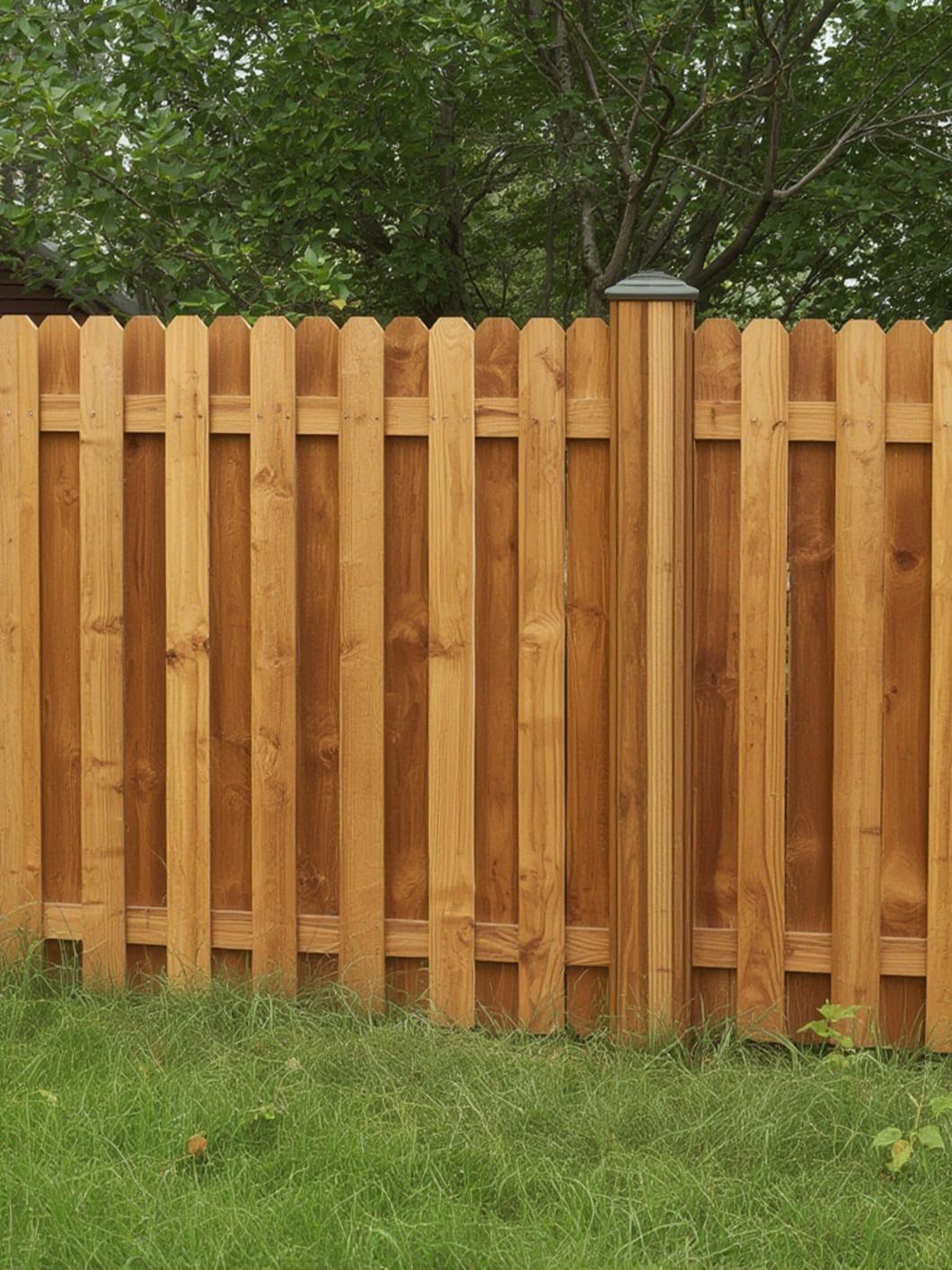
- Fence Panels/Boards: Choose based on style and budget—privacy panels (wood/vinyl), pickets (chain link, wood), or decorative aluminum DIY Fencing with Lowes Coupons.
- Posts: Pressure-treated pine, cedar, or steel posts. Ensure they are rated for ground contact (UC4B for wood) .
- Concrete: Quick-setting concrete mix for post footings (typically 50-lb bags) .
- Post Caps: Optional but recommended for weather protection and aesthetics.
- Fasteners: Galvanized or stainless-steel nails/screws (compatible with your material). Rails and brackets for panel attachment.
Essential Tools:
- Post hole digger or auger (clamshell or powered)
- Level (4-foot or longer)
- Measuring tape and string line
- Hammer or drill/driver
- Shovel
- Wheelbarrow (for mixing concrete)
- Safety gear (gloves, goggles)
Optional Alternatives & Smart Buys:
- Material Swap: Consider composite materials for lower lifetime maintenance, even at a higher upfront cost.
- Tool Rental: For a one-time project, renting a powered auger from Lowe’s (often coupon-eligible) saves money and backache.
- Pre-Assembled Panels: Speed up installation compared to building from raw lumber. Remember to apply your DIY Fencing with Lowes Coupons to these modular systems.
Timing / Project Schedule
Unlike gardening, fencing timelines depend on weather, crew availability, and project scale. Here’s a realistic breakdown:
- Prep Time (1-3 Days): This is critical. Obtain necessary permits (check local zoning laws), call 811 for utility locates, and finalize material lists using Lowe’s coupons. Order materials with enough lead time.
- Active Build Period (2-5 Days for DIY): For a standard 150-linear-foot yard, a diligent DIYer can complete installation in a weekend with help. A professional crew may finish in 1-2 days. Key Insight: Concrete footings need 24-48 hours to cure before stressing posts. Plan accordingly.
- Total Expected Result: A durable, code-compliant fence ready for immediate use. Unlike a growing plant, your fence’s “maturity” is instant—its full value in privacy and security is realized upon the final panel’s installation. Factor in potential delays for rain or permit approval DIY Fencing with Lowes Coupons.
Lowes 20% Off Online & In-Store
Step-by-Step Instructions
Follow this methodical approach for a straight, sturdy, and long-lasting fence DIY Fencing with Lowes Coupons.
Step 1: Layout & Marking. Drive stakes at corner points and use string to mark the fence line. Verify property lines. Use a line level to ensure a consistent height reference.
Step 2: Post Hole Digging. Dig holes 1/3 the post height deep (e.g., 24″ deep for a 6′ fence) and 2-3 times the post width wide. For stability, widen the bottom slightly (bell-shaped). Pro Tip: Use your rented auger and save the soil for backfill DIY Fencing with Lowes Coupons.
Step 3: Setting Posts. Place posts in holes. Add 4-6″ of gravel for drainage. Mix concrete and pour, sloping away from the post. Brace posts firmly with temporary 2x4s. Use a level on two adjacent sides. Let cure fully (24-48 hrs).
Step 4: Attaching Rails & Panels. Install top and bottom rails between posts (if not using pre-assembled panels). For panels, secure them to posts with appropriate fasteners, ensuring they are level and plumb. Crucial Advice: Before final tightening, review your DIY Fencing with Lowes Coupons to ensure all materials were purchased at the discounted rate.
Step 5: Finishing. Install post caps. For wood fences, apply a high-quality sealant or stain within 1 year of installation. If the scope feels overwhelming, research if the Lowes fence installation discount applies to your chosen professional installation service.
Nutritional Benefits / Advantages
While fencing doesn’t provide dietary nutrition, its advantages profoundly impact your wellbeing and environment:
- Mental & Physical Health: Creates a safe, private sanctuary that reduces stress and encourages outdoor living. This directly supports mental wellness and promotes physical activity in your yard.
- Environmental Control: A solid fence acts as a windbreak, reducing heating costs in winter. It also contains pets and children, protecting local wildlife from potential hazards DIY Fencing with Lowes Coupons.
- Property & Ecosystem Value: Increases your home’s resale value. Strategically, a fence can support climbing plants (like vines or beans), adding a layer of nutritional benefit through homegrown food and pollinator habitats—effectively marrying structure with sustainable gardening.
Tips, Alternative Methods, or Gardening Advice
- Climate Adaptation: In frost-prone areas, dig below the frost line (check local code) to prevent heave. In high-wind zones, use closer post spacing (6′ vs. 8′).
- Small Space Solution: Consider a partial fence or lattice top for visual separation without feeling enclosed. Combine with container gardening along the base for softening.
- Organic & Sustainable Choice: Opt for locally sourced, FSC-certified wood or recycled composite materials. Use non-toxic, water-based stains DIY Fencing with Lowes Coupons.
- Indoor/Container Parallel: Think of your fence posts as “containers”—their foundation (concrete) is like potting mix; it must be correct for long-term health. Don’t skip the gravel drainage layer!
Common Mistakes to Avoid
- Mistake: Skipping the permit process. Solution: Always check with your city/county building department. A permit ensures safety and avoids forced removal.
- Mistake: Shallow post holes. Solution: The “1/3 rule” is non-negotiable for stability. Use a post hole digger that reaches the required depth.
- Mistake: Poor alignment. Solution: String lines are your friend. Constantly check for level and plumb. A small error compounds over 100 feet DIY Fencing with Lowes Coupons.
- Mistake: Ignoring wood moisture content. Solution: Use dry, treated lumber. Wet wood will shrink and warp as it dries, creating gaps.
- Mistake: Not accounting for ground slope. Solution: Step your fence panel heights on sloped ground or follow the contour with “rackable” panels to avoid large gaps at the bottom DIY Fencing with Lowes Coupons.

Lowes $20 Off $100 For Pros In-Store or Online
Storage & Maintenance Tips
- Material Storage: Keep all lumber and panels flat, off the ground, and covered until installation to prevent warping and moisture damage DIY Fencing with Lowes Coupons.
- Ongoing Care: Annually inspect for loose fasteners, rot (especially at ground contact points), and insect damage. Re-seal or stain wood fences every 2-3 years. Clean vinyl with mild soap and water.
- Seasonal Prep: Before winter, clear debris from the bottom to prevent moisture trapping. In spring, check for any frost heave and re-set posts if necessary.
- Tool Care: Clean tools immediately after use. Store hand tools in a dry place. Return rented equipment clean to avoid fees DIY Fencing with Lowes Coupons.
Conclusion
Building a fence is a rewarding project that delivers immediate and long-term returns on your investment. By meticulously planning your materials, respecting the timeline, and executing each step with precision, you ensure a durable and beautiful result. The financial wisdom of using DIY Fencing with Lowes Coupons for supplies, combined with potentially leveraging the Lowes fence installation discount for labor, transforms an expensive necessity into an achievable upgrade. Don’t let budget constraints fence you in—start planning your project today and enjoy the privacy, security, and peace of mind a quality fence provides.
FAQs
Q1: Do I really need a permit for a DIY fence?
A: Almost always, yes. Permits ensure your fence meets setback requirements (distance from property lines) and safety standards (height limits in front yards). Failing to obtain one can result in fines and a mandatory tear-down. Check your local municipality’s website.
Q2: How much can Lowe’s coupons actually save me?
A: Savings vary by coupon and purchase. Commonly, Lowe’s offers 10-20% off single items or $ off purchases over a certain amount (e.g., $50 off $250+). Stackable offers are rare, but strategic timing with sales events (like Memorial Day) plus a coupon maximizes savings on bulk material orders.
Q3: What’s the most cost-effective fence material?
A: For pure upfront cost, tensioned barbed wire or basic chain link is cheapest. For a balance of cost, aesthetics, and privacy, pressure-treated pine is the most popular DIY choice. Vinyl has a higher initial cost but zero long-term maintenance, which can be more economical over 20 years DIY Fencing with Lowes Coupons.
Q4: Can I install a fence myself if I’m not particularly handy?
A: Yes, with research and patience. A simple privacy fence on flat ground is very achievable. Key factors: renting the right tools (auger!), having a strong helper for post setting, and not rushing. If you’re uncomfortable with digging or concrete, the Lowes fence installation discount makes hiring a pro very competitive.
Q5: How long will a wood fence last?
A: A properly installed and maintained pressure-treated pine fence lasts 15-20 years. Cedar naturally resists rot and insects, lasting 20-25 years with care. The single biggest factor in longevity is correct post installation—keeping the wood away from constant soil moisture is critical DIY Fencing with Lowes Coupons.