
Build a Thriving Raised Garden Bed: Your Complete Guide to Soil Success
Have you ever tasted a sun-warmed tomato straight from the vine or crunched into a carrot you pulled yourself? That unmatched flavor and satisfaction are why home gardening continues to surge in popularity. But the secret to that success isn’t just a green thumb—it’s starting with incredible soil. Whether you’re a complete beginner or looking to boost your bounty, mastering soil preparation is the non-negotiable first step. This guide transforms your outdoor space into a productive oasis, and having the right equipment makes all the difference. We’ll focus on leveraging quality resources like Gardening Tools at Lowes to build the perfect foundation.
Materials & Supplies
Creating a robust raised bed requires a mix of structure materials and growing media. Here’s your comprehensive checklist:
Structure & Tools: Save on a Spring Garden with Lowes Coupons
- Lumber: Untreated cedar, redwood, or composite boards (2×6 or 2×8 ft. lengths are ideal). Avoid pressure-treated wood for edible gardens.
- Fasteners: Galvanized deck screws (3-4 inch) or corner brackets for secure assembly.
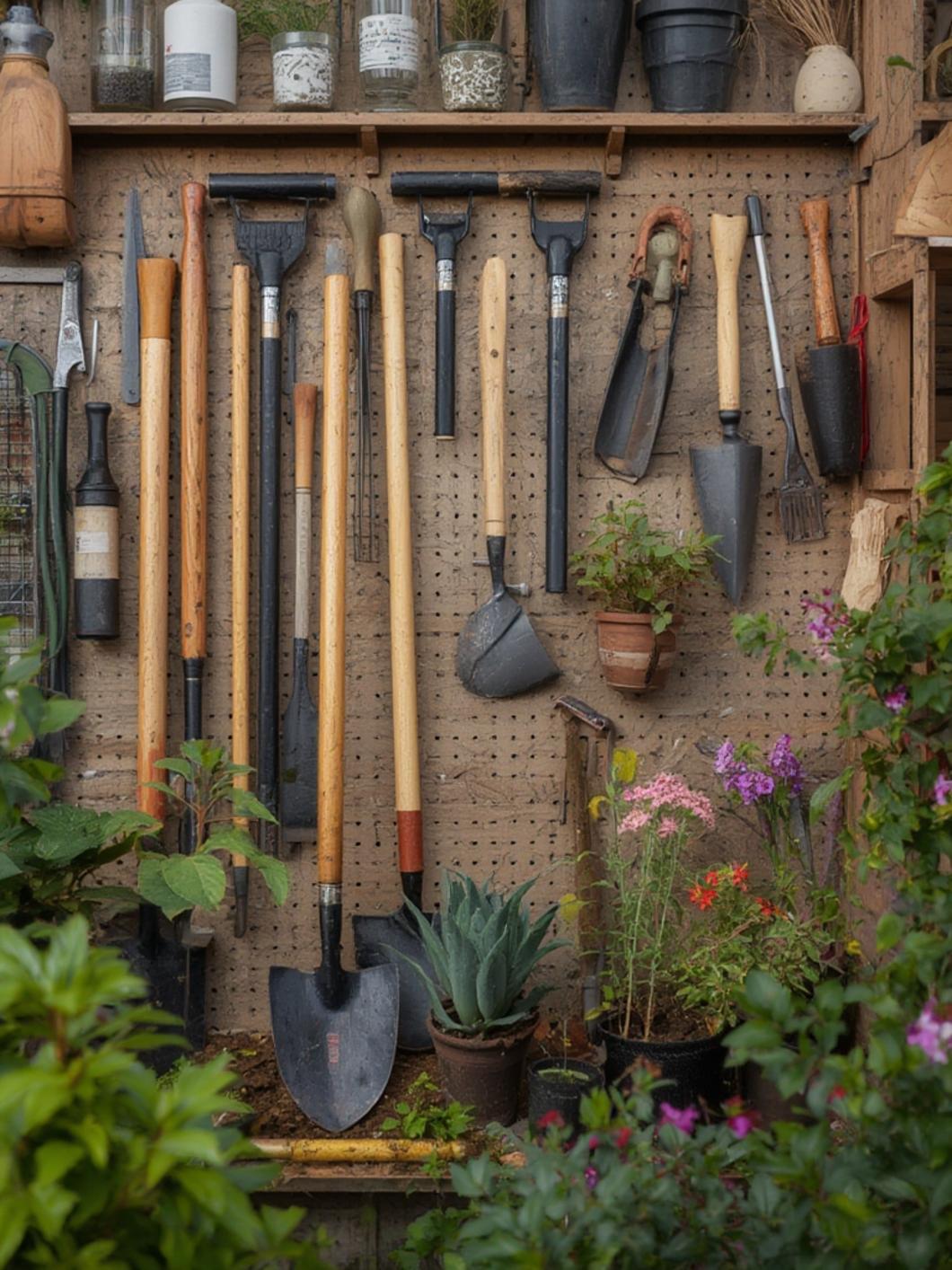
- Essential Tools: Lowe’s garden tools such as a sturdy claw hammer, cordless drill/driver, measuring tape, and a carpenter’s square.
- Soil & Amendment Tools: A broadfork or garden fork for aeration, a shovel, a rake, and a wheelbarrow for mixing.
- Optional: Landscape fabric (for weed barrier), card for soil leveling.
Soil & Growing Media (The Most Important Part!):
- High-Quality Garden Soil: Purchase in bulk from a local supplier or bagged topsoil (avoid dense, clay-heavy options).
- Compost: Gardening Tools at Lowes The magic ingredient. Use well-aged, screened compost from a reputable source or your own bin. Aim for 30-40% of the total soil volume.
- Aeration Material: Coarse horticultural sand, perlite, or vermiculite to improve drainage and prevent compaction (10-20% of mix).
- Organic Fertilizer: Balanced, slow-release organic fertilizer (like a 5-5-5 or 4-4-4) or worm castings for gentle, long-term nutrition.
Optional Alternatives: Lowes $10 Off $20 Online & In-Store
- For a No-Dig Approach: Gardening Tools at Lowes Layer using the “sheet mulching” or “lasagna gardening” method with cardboard, compost, and soil.
- For Immediate Planting: Use a premium “raised bed mix” from a garden center that pre-blends soil, compost, and sand.
Timing / Growing Schedule
- Prep Time (Building & Filling): Allocate one full weekend. Building a simple 4×4 ft. bed takes 2-3 hours. Filling and amending soil is the bulk of the work—budget 3-4 hours.
- Optimal Building Season: Early spring (4-6 weeks before last frost) or fall are ideal. Building in fall allows soil to settle over winter for a spring start.
- Soil “Settle” Period: Once filled, let the soil sit for 1-2 weeks before planting. Water it deeply several times to allow it to settle naturally. If it sinks significantly, top it up with more soil/compost mix. Gardening Tools at Lowes
- Expected Results: You will immediately have a well-draining, nutrient-rich environment. Plants will establish roots faster, show stronger growth, and yield more compared to in-ground gardens with poor native soil. Think of it as a 6-12 month head start on soil development.
Step-by-Step Instructions
1. Site Selection & Preparation: Choose a location with at least 6-8 hours of direct sunlight. Level the ground and remove all grass/weeds. Lay down cardboard or landscape fabric to suppress future weeds.
2. Build the Frame: Assemble your lumber into a sturdy, square or rectangular box using your screws and drill. Ensure corners are square. Place the frame on the prepared site.
3. The Soil Mix Formula (The Critical Step): In your wheelbarrow or directly in the bed, combine your soil, compost, and aeration material using your shovel and garden fork. The ideal ratio is 60% quality soil, 30% compost, 10% aeration. Mix thoroughly until uniform.
4. Fill the Bed: Shovel the mixed soil into the frame, lightly tamping every 6-8 inches to eliminate major air pockets. Overfill by 1-2 inches, as it will settle.
5. Water & Settle: Water the entire bed deeply until water runs out the bottom. This is crucial for settling and microbial activation. Gardening Tools at Lowes
6. Final Grade: After 1-2 days, check the soil level. Add more of your mix if it has sunk considerably. Rake the surface smooth.
Pro Tip: The initial soil investment is everything. Don’t skimp here. For the best long-term results, source your materials from trusted suppliers. You can often find great deals on Gardening Tools at Lowes for the build phase, and the quality of your soil blend will dictate your harvest for years.
Nutritional Benefits / Advantages
This method creates a biological powerhouse in your garden bed: Lowes $20 Off $100 For Pros In-Store or Online
- Nutrient-Rich: The high compost content provides a broad spectrum of macro and micronutrients, released slowly to plants.
- Superior Structure: The blend promotes optimal root penetration, oxygen access, and water retention/drainage balance—preventing both drought stress and root rot.
- Microbial Life Boost: Healthy soil teems with beneficial bacteria, fungi, and nematodes that form symbiotic relationships with plant roots, aiding in nutrient uptake and disease resistance.
- pH Buffering: A well-balanced mix resists extreme pH swings, making nutrients more available to plants. Gardening Tools at Lowes
Tips, Alternative Methods, or Gardening Advice
- Small Spaces: Build smaller beds (2×4 ft.) or use heavy-duty fabric grow bags on a patio. The same soil principles apply.
- Indoor/Season Extension: For a quick fall crop or indoor growing, a shallow (6-8” deep) tabletop bed works beautifully with leaf lettuce, herbs, and spinach.
- Going 100% Organic: Skip synthetic fertilizers. Use only compost, well-rotted manure, and organic amendments like bone meal, kelp meal, and alfalfa meal.
- Climate Considerations: In very hot, dry climates, increase the compost percentage to 40% for better moisture retention. In wet climates, up the sand/perlite to 20% for drainage.
- Replenishment Plan: At the end of each growing season, top-dress beds with 1-2 inches of fresh compost. This acts as mulch and feeds the soil for next year. Gardening Tools at Lowes
Common Mistakes to Avoid

1. Using Native Soil Alone: This is the #1 error. Native soil is often compacted, imbalanced, and infertile. It will turn your raised bed into a pot of solid clay or sand.
2. Skipping the Compost: Compost is the soul of the soil. Without it, you have just dirt, not a living ecosystem. Gardening Tools at Lowes
3. Filling with “Topsoil” Only: Cheap bagged “topsoil” is frequently low-quality subsoil with little organic matter. Always amend it with at least 30% compost.
4. Over-Tamping: Firm the soil gently to eliminate large air pockets, but don’t compact it. Root growth needs pore space.
5. Ignoring pH: Test your soil mix (a simple $10 kit works). Most vegetables thrive in a pH of 6.0-7.0. Amend with lime (to raise pH) or sulfur (to lower pH) if needed.
Storage / Maintenance Tips
- Tool Care: Clean all Lowe’s garden tools after use. Remove soil, wash with a hose, dry completely, and store in a dry shed. Treat wooden handles with linseed oil annually.
- Soil Maintenance: At season’s end, pull out all plant debris (do not compost diseased material). Apply a 2-3 inch layer of shredded leaves or straw as mulch for winter.
- Annual Refresh: Every 2-3 years, plan to remove about one-third of the old soil from the top and replace it with fresh, high-quality soil/compost mix to maintain vitality.
Conclusion
Building a raised bed with perfectly amended soil is the single most impactful thing you can do for a bountiful, low-maintenance garden. It gives you complete control over the growing environment, erases the guesswork of native soil, and sets your plants up for a thriving, productive life from day one. Remember, your harvest is a direct reflection of your soil health. Investing time and quality materials—from your frame to your final soil blend—pays dividends in fresh, nutritious produce all season long. Ready to build? Gather your Gardening Tools at Lowes, source your soil components, and get started this weekend. Your future self, holding a basket of perfect vegetables, will thank you.
FAQs
Q: Can I just fill my raised bed with 100% compost?
A: No. Pure compost is too rich, can nitrogen-lock, and will settle and drain poorly. It must be blended with mineral soil or sand for structure.
Q: How often should I water a new raised bed?
A: Newly planted beds need consistent moisture. Check the top inch daily; water deeply when dry. Once established (3-4 weeks), water less frequently but more deeply to encourage deep rooting.
Q: Do I need to rotate crops in a raised bed?
A: Yes, to prevent disease and nutrient depletion. Follow heavy feeders (tomatoes, corn) with light feeders (lettuce, herbs) or soil-builders (peas, beans) in the same spot the next season.
Q: My soil has white, crusty stuff on top. What is it?
A: This is likely a salt buildup from over-fertilization or using low-quality compost. Stop fertilizing, water deeply to leach salts, and top-dress with fresh compost next season.
Q: How deep should my raised bed be for vegetables?
A: 8-12 inches is sufficient for most vegetables (lettuce, carrots, peppers, beans). For root crops like daikons or sweet potatoes, go 12-18 inches deep.