Why Your Endless Hot Water Dreams Start with a Tankless Water Heater
Ever been the last one in line for a morning shower, only to be blasted by bone-chilling cold water halfway through? That frustrating ritual is a silent drain on your wallet and your sanity. The solution isn’t a bigger tank; it’s a smarter, on-demand system. Modern Tankless Water Heaters and on-demand water heaters are revolutionizing how we heat water, offering efficiency, endless hot water, and significant long-term savings. This guide will walk you through everything you need to know, from selecting supplies to avoiding costly errors, ensuring your investment pays off for years.
Materials & Supplies
Tankless Water Heaters Before you begin, gather these essentials for a smooth installation. Core Tools: Pipe wrenches, adjustable wrenches, tubing cutter, phosphate-free soldering torch (if using copper), voltage tester, and a drill. Safety Gear: Insulated gloves, safety glasses, and a respirator if working in dusty areas. New Unit & Parts: Your chosen tankless model, appropriate gas or electrical connection kits, venting pipe (for gas models, typically PVC or stainless steel), isolation valves, and pressure relief valve. Consumables: Pipe joint compound (pipe dope) or Teflon tape, pipe hangers, and silicone sealant. Optional Alternatives: If soldering isn’t your forte, consider using SharkBite or similar push-to-connect fittings for a simpler, code-compliant join. For complex gas line work, hiring a licensed professional is non-negotiable for safety and code adherence.
Timing / Growing Schedule
Think of this project in phases, not just a single day. Prep Time (1-3 Days): Tankless Water Heaters This includes researching models, obtaining permits (if required by your municipality), and sourcing all materials. Don’t underestimate permit timelines. Growth/Installation Period (4-8 Hours for Pro, 1-2 Days for DIY): A seasoned plumber can often complete the swap in a half-day. For a confident DIYer with all tools ready, expect a full day to carefully remove the old tank, run new lines, and install the unit. Expected Results & Context: Unlike traditional tanks that have a “recovery time,” your new system provides instantaneous hot water the moment you need it. The real “growth” is realized on your utility bills, with energy savings of 24-34% for gas models and up to 50% for electric, compared to a standard 40-gallon tank. Tankless Water Heaters The system is essentially “grown in” and operational after the initial test and purge.
Step-by-Step Instructions
Power Down & Drain: Shut off the electrical breaker or gas supply to the old water heater. Close the cold water inlet and hot water outlet valves. Open a hot water faucet to relieve pressure and drain the tank completely.
Remove the Old Unit: Tankless Water Heaters
Disconnect the water lines, gas line (if applicable), and electrical conduit. Carefully unmount and remove the old tank. Cap the lines immediately.
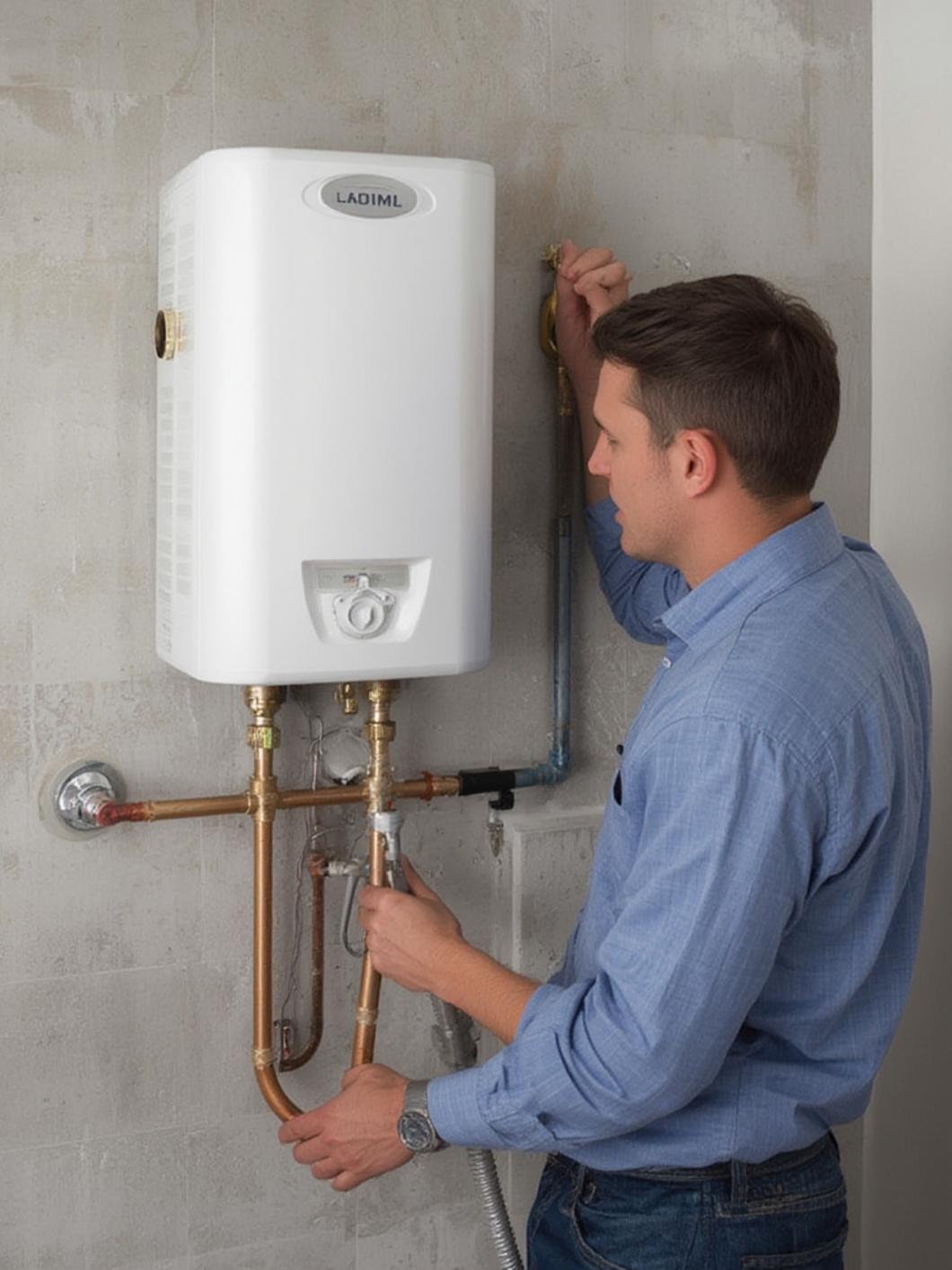
Mount the New Unit: Follow the manufacturer’s instructions precisely. Mount the tankless water heater on the wall using the provided bracket, ensuring it’s level and has the mandated clearances (especially for combustion air and venting). This is where understanding the specific requirements of on-demand water heaters is critical.
Connect Utilities: Install the new pressure relief valve and Isolation valves on the water lines. Connect the cold water inlet and hot water outlet. For gas models, carefully connect the gas line using pipe thread sealant and a leak-test solution. For electric models, connect the required gauge wiring to the dedicated circuit breaker.
Venting (Gas Models Only): Install the concentric or two-pipe venting system according to manufacturer specs and local code. This must be airtight and correctly sloped. Improper venting is a leading cause of failure.
Final Checks & Startup: Tankless Water Heaters Open the cold water valve slowly to purge air from the lines. Check for leaks at every connection. Restore power/gas. Follow the unit’s startup sequence, which usually involves setting the temperature and flushing the system. Observe for error codes and ensure consistent hot water at all fixtures.
Pro Tip: Before finalizing the installation, consider your peak hot water demand (e.g., simultaneous shower and dishwasher use). Tankless Water Heaters Sizing your Tankless Water Heaters correctly is the single most important factor for satisfaction.
Nutritional Benefits / Advantages
Tankless Water Heaters While not “nutritional” in a dietary sense, these systems provide immense “health” benefits for your home and budget. Energy & Cost Efficiency: They operate only when hot water is demanded, eliminating “standby heat loss” from a perpetually heated tank. Space Optimization: Their compact, wall-mounted design frees up valuable floor space—often 1/3 the size of a tank. Unlimited Hot Water: Run multiple showers, a washing machine, and a dishwasher simultaneously without fear of running cold. Longevity & Safety: With no large metal tank to corrode, they last 20+ years (vs. 10-15 for tanks). Many feature advanced combustion and freeze protection sensors. Environmental Impact: Reduced energy consumption directly lowers your home’s carbon footprint.
Tips, Alternative Methods, or Gardening Advice
Condensing vs. Non-Condensing: Tankless Water Heaters Condensing models extract more heat from exhaust gases, achieving higher efficiencies (up to 98%) but require PVC venting and a condensate drain. Non-condensing are simpler and less expensive upfront. Point-of-Use vs. Whole-House: For a remote bathroom or guest suite, a small point-of-use unit under the sink is perfect. For the entire home, a single properly-sized whole-house unit is ideal. Indoor vs. Outdoor: Outdoor units avoid indoor space and venting complexity but require freeze protection kits in colder climates. Small Space Winner: For tiny homes or apartments, a compact electric tankless unit is often the only feasible solution. Always consult a professional for sizing calculations based on your climate and fixture count.
Common Mistakes to Avoid
Undersizing: The #1 complaint is inconsistent water temperature. Buying a unit too small for your home’s peak demand leads to flow restrictions and cold showers. Solution: Use online sizing calculators or consult a pro, factoring in your inlet water temperature and desired rise.
Skipping Permits & Inspections: This compromises safety and can void insurance. Gas and electrical work almost always requires a permit. Solution: Call your local building department before you start.
Incorrect Venting (Gas): Using the wrong material (e.g., ABS pipe) or ignoring clearance to combustibles causes carbon monoxide leaks and fires. Solution: Use only venting listed for your specific model and follow manufacturer diagrams exactly.
Ignoring Water Quality: Hard water minerals build up inside the heat exchanger, reducing efficiency and causing failure. Solution: Install a pre-filter or water softener. Schedule annual descaling if you have hard water.
DIY Overconfidence on Gas Lines: Improper gas line sizing or leaks are extremely dangerous. Solution: Hire a licensed plumber for all gas connections, no exceptions.
Storage / Maintenance Tips
Tankless Water Heaters While there’s no large tank to “store” water, the unit itself requires care. Annual Maintenance is Key: Flush the system with white vinegar or a commercial descaling solution to remove mineral buildup. Clean the inlet water filter. For gas models, inspect the burner and venting. Winterization for Vacation Homes: If the unit will be unused and unheated in freezing temperatures, you must fully drain it to prevent damage. Follow the manufacturer’s winterization guide precisely. Keep the Area Clear: Ensure nothing blocks the intake or exhaust vents. Regularly check for error codes on the display panel and address them per the manual. Register your product for warranty updates.
Q: Can I install a tankless water heater myself to save money? A: Tankless Water Heaters While possible for experienced DIYers with electrical and plumbing skills, most installations—especially gas models—are best left to licensed professionals due to permit requirements, gas line safety, and warranty implications.
Q: How much does a tankless water heater cost installed? A: Total installed cost varies widely by type (electric vs. gas), brand, and location, typically ranging from $1,500 to $5,000+. Gas models with complex venting are at the higher end.
Q: Do tankless water heaters really provide endless hot water? A: Yes, but only if properly sized for your home’s simultaneous demand. A unit too small will limit flow and temperature when multiple fixtures are used.
Q: What’s the biggest hidden cost I might face? A: Upgrading your home’s electrical service or gas line to accommodate the new unit’s load is a common, often unexpected, expense.
Q: Are there tax credits or rebates available? A: Yes! Federal tax credits, state incentives, and utility company rebates frequently apply for high-efficiency models. Check the Home Depot coupons and promotions page and the LHD Coupons resource for the latest deals and rebate information to maximize your savings.