
Transform Your Home’s First Impression: A Complete Guide to Lowes Exterior Door and Installation
Lowes Exterior Door Is your home’s first impression being undermined by a creaky, inefficient exterior door? That old door might be costing you in energy bills, security, and curb appeal. Upgrading to a modern entry door is one of the smartest home improvements you can make, offering a high return on investment while enhancing daily comfort. At the heart of this transformation is selecting the right product and ensuring it’s installed correctly. That’s where Lowes Exterior Door options come in—providing a range of styles, materials, and energy-efficient designs to suit any home. And for optimal performance, professional Lowes exterior door installation is crucial to avoid common pitfalls that can lead to drafts, leaks, or premature wear. In this guide, we’ll walk you through everything you need to know about choosing and installing a new exterior door, from materials to maintenance, so you can make an informed decision and enjoy a seamless upgrade.
Materials & Supplies
To tackle an exterior door installation, having the right tools and materials on hand is essential for a smooth process. Here’s a comprehensive checklist:
Tools Needed:
– Tape measure and level
– Cordless drill/driver and screwdriver bits
– Hammer and pry bar
– Utility knife and caulk gun
– Shims (wood or composite)
– Square and chalk line
– Safety glasses and work gloves
– Optional: reciprocating saw, nail puller, helper
Materials and Supplies:
– Your chosen pre-hung exterior door unit
– Weatherstripping and threshold (if not included)
– Low-expand spray foam insulation
– Exterior-grade caulk
– Fasteners (often included)
– Flashing tape for moisture protection
– Paint or finish if needed
Optional Alternatives:
– For heavy doors, use a suction cup lifter or enlist a partner.
– If your rough opening is irregular, employ adjustable shims or foam backer rods.
– For temporary security during installation, use removable bars.
Gathering these items beforehand prevents delays and ensures you’re ready for each step.
Timing / Growing Schedule
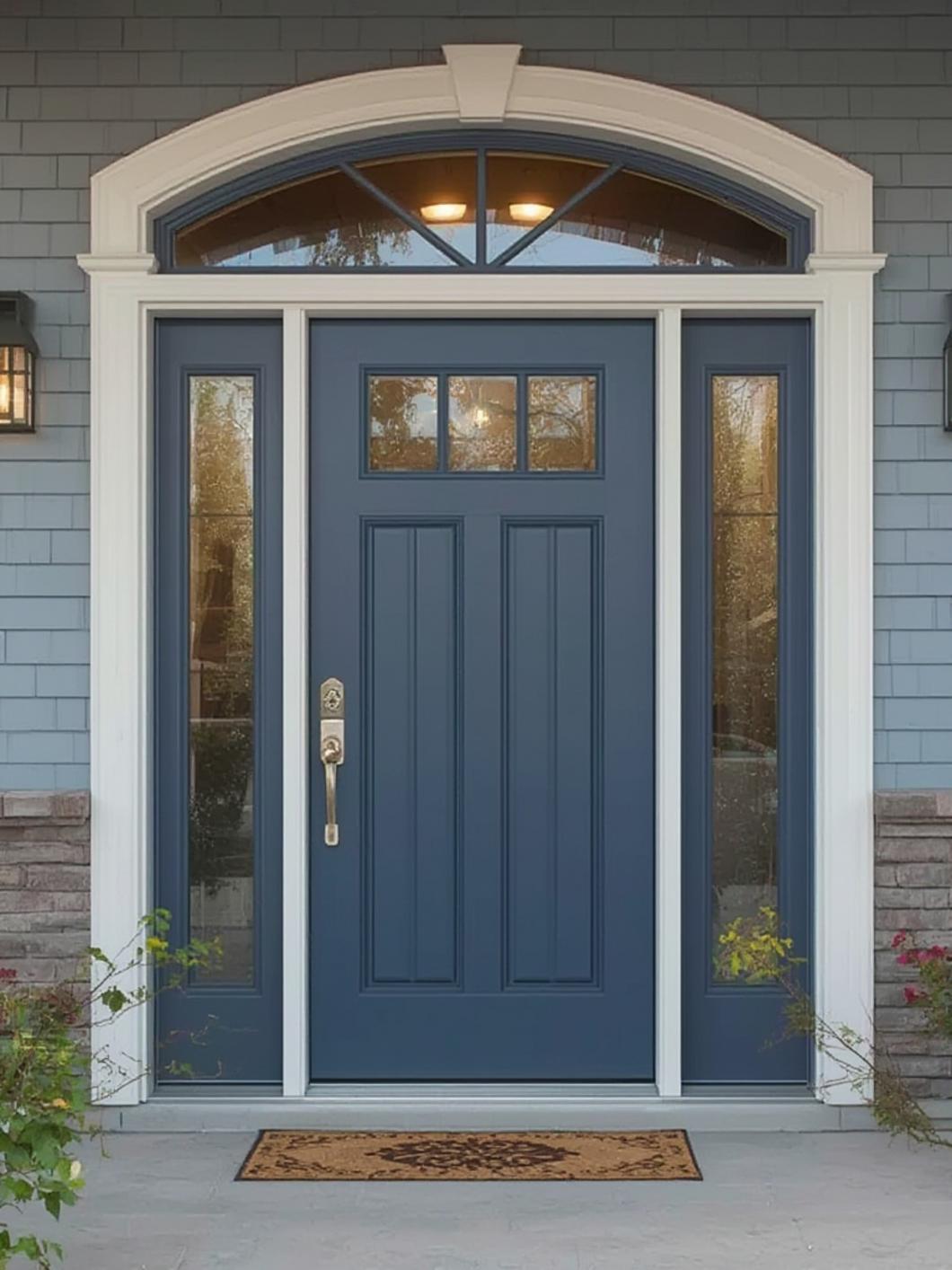
Understanding the timeline for an exterior door project helps you plan accordingly. Unlike landscaping projects that have growing seasons, door installation is largely weather-dependent but can be done year-round with precautions.
Preparation Time (1-2 Days):
– Measure your rough opening accurately.
– Order your door and hardware (allow for shipping if custom).
– Clear the work area and remove the old door.
– Repair any framing issues.
Installation Period (4-8 Hours for DIY; 1 Day for Pro):
– A skilled DIYer can complete removal and installation in a day.
– Professionals often finish within a few hours but may schedule a half-day.
– Account for adjustments, insulation, and weatherproofing.
Drying/Curing and Expected Results:
– Caulk and adhesives need 24 hours to cure fully.
– Avoid heavy use or extreme weather for 48 hours.
– Once installed, enjoy immediate benefits: improved energy efficiency, security, and aesthetics.
– Compared to a kitchen remodel, a door upgrade offers one of the fastest ROIs with minimal disruption.
Step-by-Step Instructions
Follow these steps for a successful exterior door installation. Remember, proper installation is as important as the door itself—especially when dealing with a Lowes Exterior Door to ensure warranty compliance and performance.
1. Remove the Old Door: Take off hinges, cut any caulk, and pry out the old door. Remove nails/screws from the frame.
2. Prepare the Rough Opening: Check for square, plumb, and level. Repair damaged areas. Apply flashing tape to the sill.
3. Dry-Fit the New Door: Place the pre-hung unit in the opening without fastening. Ensure even gaps (1/8″ to 1/4″) all around. Use shims to adjust.
4. Secure the Frame: From the inside, drive fasteners through the hinge jamb and strike jamb into the framing. Shim behind hinges and latch side as needed.
5. Insulate and Weatherproof: Fill gaps between frame and opening with low-expand spray foam. Install weatherstripping and threshold. Caulk exterior edges.
6. Install Hardware and Test: Attach hinges, door, and lockset. Open/close multiple times to check for binding. Adjust shims if necessary.
7. Final Touches: Paint or finish as needed. Clean glass and hardware.
For a hassle-free experience, consider professional Lowes exterior door installation services, which often include removal, disposal, and warranty assurance.
Nutritional Benefits / Advantages
While doors don’t have nutritional value, they offer significant ‘benefits’ for your home and wallet:
– Energy Efficiency: Modern exterior doors with insulated cores and weatherstripping reduce heat loss, lowering HVAC costs by up to 20%.
– Enhanced Security: Reinforced materials, multi-point locks, and impact-resistant glass deter break-ins.
– Curb Appeal and Value: A stylish door boosts aesthetic appeal and can increase home value by $5,000+ on average.
– Noise Reduction: Solid-core doors and proper sealing minimize outside noise.
– Low Maintenance: Materials like fiberglass or steel resist rot, warp, and pests, requiring only occasional cleaning.
– Environmental Impact: Energy-efficient doors reduce carbon footprint; some are made from recycled materials.
These advantages make an exterior door upgrade a wise long-term investment.
Tips, Alternative Methods, or Gardening Advice
Maximize your door project’s success with these expert tips: Lowes exterior doors
– Material Selection: Fiberglass offers durability and insulation; steel is cost-effective and strong; wood provides classic beauty but needs maintenance.
– Climate Considerations: In harsh winters, opt for doors with high R-values and thermal breaks. In humid areas, choose moisture-resistant materials.
– DIY vs. Professional: If you’re handy with tools and have a helper, DIY can save money. But for complex openings or heavy doors, pro installation ensures correctness and warranty validity.
– Seasonal Timing: Install in mild weather (spring/fall) to avoid extreme temperatures affecting materials and adhesives.
– Customization: Add sidelights, transoms, or decorative glass for light and style. Upgrade hardware for better security and aesthetics.
– Small Spaces: For compact entries, choose a door with a smaller profile or eliminate decorative elements to save space.
– Indoor Air Quality: Ensure proper sealing to prevent drafts that circulate allergens.
These alternative approaches help tailor the project to your specific needs and conditions.
Common Mistakes to Avoid

Avoid these common pitfalls that compromise door performance:
1. Ignoring Opening Squareness: An out-of-square opening causes binding. Always use a level and shim during installation.
2. Poor Flashing: Skipping or improperly installing flashing leads to water intrusion. Apply flashing tape to the sill and sides before installing the door.
3. Insufficient Insulation: Leaving gaps around the frame invites drafts. Use low-expand spray foam behind the frame, not batt insulation.
4. Overtightening Screws: This can warp the frame. Fasten snugly but not excessively.
5. Wrong Hardware: Using non-compatible locksets or hinges can cause misalignment. Follow manufacturer recommendations.
6. Skipping Weatherstripping: This small detail makes a big difference in energy efficiency. Install continuous weatherstripping.
7. Not Checking Operation: After installation, test the door multiple times. Adjust shims before the foam cures if it binds.
By addressing these issues, you ensure your door operates smoothly and lasts for years.
Storage / Maintenance Tips
To keep your exterior door looking and performing its best:
– Regular Cleaning: Wash with mild soap and water quarterly. Avoid abrasive cleaners that damage finishes.
– Lubrication: Annually lubricate hinges and locks with silicone spray.
– Weatherstripping Inspection: Check for cracks or gaps seasonally; replace as needed to maintain efficiency.
– Hardware Tightening: Periodically tighten screws on hinges and locksets.
– Finish Maintenance: For wood doors, repaint or stain every 3-5 years. For steel/fiberglass, touch up scratches promptly to prevent rust.
– Threshold Care: Lowes exterior doors Keep the threshold clean and free of debris to ensure a proper seal.
– Seasonal Adjustments: In high-humidity seasons, doors may swell slightly; adjust hinges if needed.
Proper maintenance extends the door’s lifespan and preserves its warranty.
Conclusion
Upgrading your home’s entry point with a quality exterior door is a decision that pays dividends in comfort, security, and style. By following proper installation techniques—or enlisting expert help—you maximize the benefits of your investment. Remember, a well-chosen Lowes Exterior Door paired with meticulous Lowes exterior door installation creates a seamless transition between indoors and out, enhancing your home for years to come. Don’t underestimate the impact of this single upgrade; it sets the tone for your entire property. Take the next step today: explore Lowe’s extensive selection or consult with a certified installer to bring your vision to life.
FAQs
How much does a Lowes exterior door cost?
Prices vary by material and style, ranging from $200 for basic models to $3,000+ for custom designs. Installation adds $150-$500 depending on complexity.
Can I install a Lowes exterior door myself?
Yes, if you have carpentry skills and tools. Pre-hung doors simplify the process, but ensure your opening is square. Improper installation may void the warranty.
What warranty comes with Lowes exterior doors?
Most offer limited lifetime warranties on materials and finish against defects. Check specific model details; installation errors are typically not covered.
How long does professional Lowes exterior door installation take?
Lowes exterior doors – A straightforward replacement takes 2-4 hours. Complex jobs with framing adjustments or custom features may require a full day.
How do I choose the right material for my climate?
Fiberglass excels in extreme temperatures; steel is great for security and cost; wood suits mild climates with regular upkeep. Consider R-value and local weather patterns.