
Fix a Leaky Faucet Yourself: Save Hundreds & Gain Confidence
Home Depot Plumbing That persistent drip… drip… drip from your kitchen or bathroom faucet isn’t just annoying—it’s a silent water waster costing you money and potentially causing damage. Before you panic and call an expensive plumber, take a deep breath. This common household issue is often a simple fix you can conquer in under an hour with the right guidance and supplies. Not only will you save $100-$200 on a service call, but you’ll gain invaluable DIY confidence. The key is knowing exactly what you need and where to get it reliably. For the essential components and toolkits, you’ll want to explore Home Depot plumbing resources, which often include coupons for necessary parts. This guide will walk you through the process, ensuring you use quality Home Depot plumbing supplies for a lasting repair.
Materials & Supplies (H2)
To tackle a standard compression or cartridge faucet, gather these items:
Essential Tools:
- Adjustable wrench or basin wrench
- Screwdrivers (flathead and Phillips)
- Channel-lock pliers
- Utility knife
- Bucket or bowl
- Rags
Replacement Parts (The Most Common Fix):
- Faucet Washers & O-rings: These are the #1 cause of drips. Buy a multi-pack of assorted sizes.
- Faucet Cartridges or Stems: If your faucet is a single-lever (cartridge) type, identify your brand (Moen, Delta, Kohler, etc.) for the correct replacement.
- Seat Washers: For compression faucets, the valve seat may need a new washer.
- Plumber’s Grease: To lubricate O-rings and stems for a smooth reassembly.
Pro Tip: Before disassembly, take a clear photo of the assembled faucet. This is your reference guide and is invaluable when you’re at the hardware store. For the widest selection and potential deals on these exact parts, checking Home Depot plumbing inventories online first is a smart move.
Timing / Growing Schedule (H2)
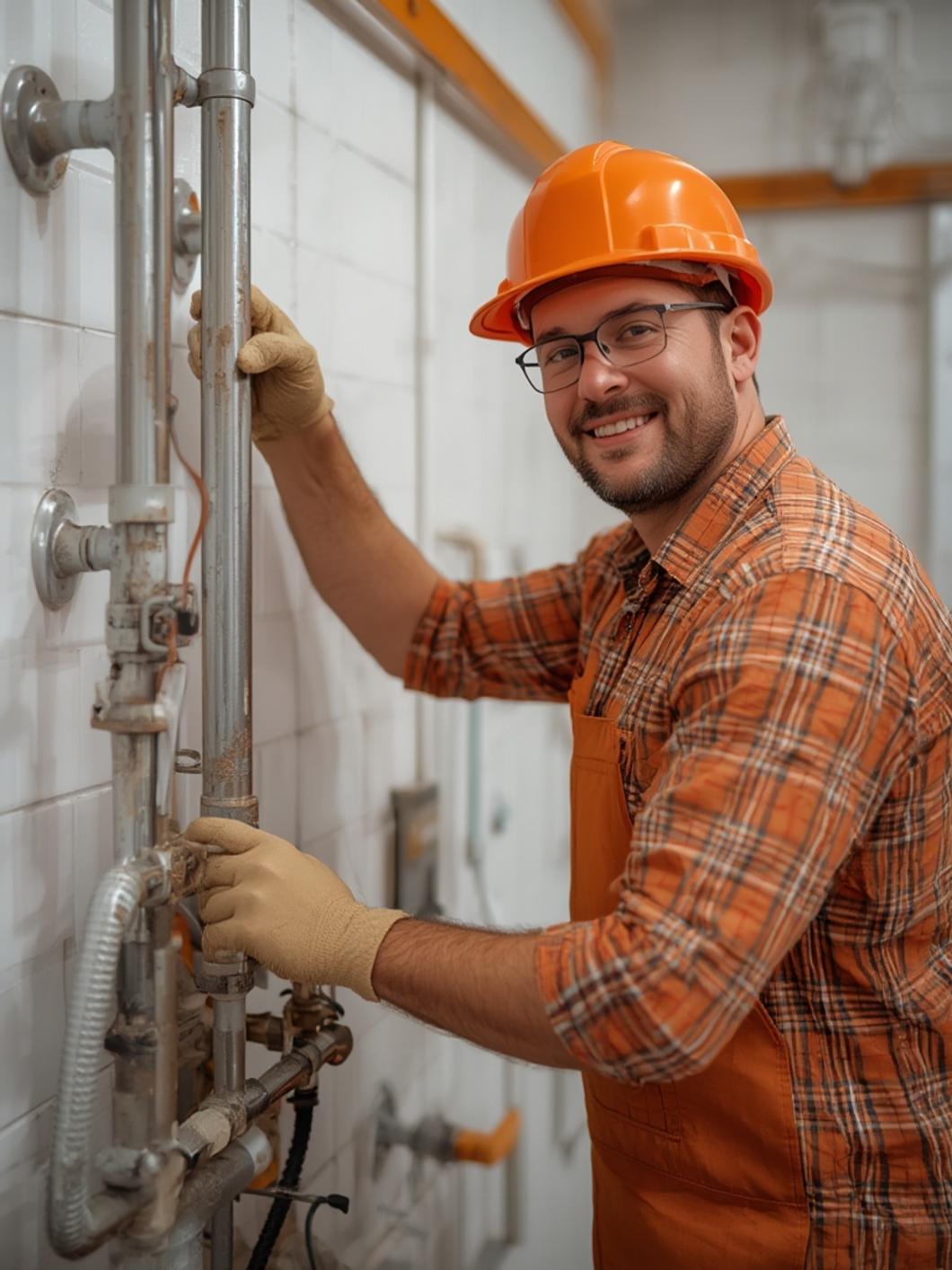
- Prep & Disassembly Time: 20-45 minutes. This includes shutting off water, plugging the drain, and carefully taking the faucet apart. Rushing this step is the most common cause of lost small parts.
- “Growth” / Repair Period: 15-30 minutes. This is the actual replacement of washers/cartridges and reassembly.
- Expected Result & Testing: Immediate. Home Depot Plumbing Once reassembled and water is turned back on, the drip should stop instantly. A properly done repair will last for years.
- Context: Compare this to waiting for a plumber. The average arrival time for a professional is 2-4 hours, and the repair itself takes 30-60 minutes. You’re saving not just money, but your entire afternoon.
Step-by-Step Instructions (H2)
1. Shut Off & Prep: Locate the shut-off valves under the sink. Turn them clockwise until tight. Open the faucet to relieve pressure and drain residual water. Place your bucket under the pipes and Stuff the sink drain to catch tiny screws.
2. Disassemble with Care: Remove the faucet handle. Home Depot Plumbing This usually involves a hidden screw under a decorative cap (pop it off with a knife) or on the side. Use your wrench to loosen the large packing nut. Crucial: As you remove parts, lay them out in order on a labeled paper towel.
3. Identify & Replace the Culprit: You’ll likely see a worn rubber washer, a crinkled O-ring, or a corroded cartridge. Match your old part to the new one from your Home Depot plumbing supplies pack. Clean all metal parts with vinegar to remove mineral deposits.
4. Lubricate & Reassemble: Apply a thin layer of plumber’s grease to all new rubber parts and the stem/cartridge. Reassemble in reverse order, tightening everything securely but do not overtighten, as this can crack the faucet body.
5. Test & Celebrate: Turn the water supply back on slowly. Check for leaks at all joints. Run both hot and cold water. The drip is gone!
Tip: If the water still drips from the spout after reassembly, the faucet seat (the metal part the washer presses against) may be pitted. You’ll need a seat wrench to grind it smooth or replace the entire seat.
Key Advantages / Environmental & Health Benefits (H2)
Fixing a leaky faucet offers more than just silence. The primary advantage is direct cost savings. A drip of one per second wastes over 3,000 gallons of water annually—enough for 60+ showers. This directly lowers your water bill.
Environmentally, you’re conserving a precious resource. Home Depot Plumbing Reducing water waste lessens the strain on municipal water systems and treatment facilities. From a health perspective, fixing leaks eliminates stagnant water pockets that can become breeding grounds for mold and mildew in damp cabinet spaces, improving your home’s indoor air quality.
—
Tips, Alternative Methods & Gardening Advice (H2)
- For Different Faucet Types: Ball faucets (like Delta) need a new cam and washer kit. Touchless or digital faucets often have solenoid valves that may need replacing—consult your manual.
- Smart Sourcing: While Home Depot plumbing departments are comprehensive, local hardware stores can be faster for single washers and have knowledgeable staff. Always bring your old part for a perfect match.
- If You’re Uncomfortable: For complex valve systems or if pipes under the sink are corroded and you risk a flood, the smartest method is to call a professional. Your peace of mind is worth it.
- Indoor “Plumbing Garden”: Home Depot Plumbing Consider keeping a small “repair kit” in a kitchen drawer with an adjustable wrench, a pack of assorted O-rings, and plumber’s tape. This prepares you for the next minor leak.
Common Mistakes to Avoid (H2)

1. Turning Off the Wrong Valve: Ensure you shut off the specific valves for that faucet, not the main house line, unless necessary.
2. Not Plugging the Drain: Home Depot Plumbing Screws and small parts will vanish down the drain. A sink strainer or rag works.
3. Overtightening: Hand-tight plus a quarter-turn with a wrench is sufficient. Force can crack ceramic discs or strip threads, creating a bigger leak.
4. Ignoring the Seat: Replacing only the washer on a damaged seat will have your faucet dripping again in weeks.
5. Using Wrong Parts: Home Depot Plumbing Don’t guess on O-ring or washer size. An ill-fitting part will fail. Match precisely using your old part as a template.
Storage & Maintenance Tips (H2)
Store any leftover washers, O-rings, and old cartridges in a small, clearly labeled ziplock bag or pill organizer. Note the date and which fixture they came from. Keep your basic plumbing tools (wrench, screwdrivers) in a dedicated tool drawer or toolbox for easy access.
Ongoing Care: Every 6 months, gently wipe faucet spouts and handles with a vinegar-water solution to dissolve mineral buildup, which can strain seals and handles over time. Operate both hot and cold valves fully once a month if a faucet is rarely used to prevent washer seizing.
Conclusion (H2)
Home Depot Plumbing : You’ve learned that a dripping faucet is rarely a plumbing emergency but a simple mechanical failure. By arming yourself with the right tools, identifying the exact faulty component, and following a methodical disassembly and reassembly process, you can solve this problem yourself quickly and permanently. Remember to source high-quality replacement components from trusted suppliers—leveraging Home Depot plumbing inventories ensures you get the correct part, and utilizing Home Depot plumbing supplies through deal platforms can make the project even more economical. Don’t let a minor drip intimidate you. Grab your wrench, turn off the water, and experience the profound satisfaction of a job done right with your own two hands.
Ready to start? Before you go, check for current savings on tools and parts at the linked resources. Your wallet—and your peace of mind—will thank you.
FAQs (H2)
Q: My faucet handle is stuck and won’t turn off. What do I do?
A: It’s likely mineral buildup. Try spraying the handle joint with a commercial descaling product (like CLR) or white vinegar, let it sit for 15 minutes, and gently wiggle the handle. Never use excessive force.
Q: Do I need to turn off the water to the entire house?
A: No. Almost all sinks have dedicated shut-off valves underneath. Only turn off the main valve if the individual valves are frozen or corroded and won’t operate.
Q: My faucet still drips after I replaced the washer. Why?
A: The valve seat (the metal hole the washer sits in) is probably pitted or corroded. You need to reseat it with a seat grinder tool or replace the entire seat.
Q: Is it ever better to just replace the whole faucet?
A: Yes. If the faucet is very old, corroded, or a discontinued model where parts are unavailable, replacement is more efficient. Also, if you want a style upgrade, now is the time.
Q: Can I use plumber’s tape (Teflon tape) on faucet stems?
A: Generally no. Plumber’s tape is for threaded pipe joints. Faucet stems and cartridges rely on rubber seals. Use plumber’s grease on O-rings instead. Tape can actually prevent proper seating.